Perfect Ramen Eggs Ajitama Recipe
Ramen eggs, or ajitama, are the undisputed jewels of any ramen bowl. These marinated soft-boiled eggs are more than just a topping; they are a culinary experience that elevates your noodle soup from delicious to divine. Have you ever bitten into a perfectly cooked ramen egg, revealing a creamy, molten yolk bathed in a savory, umami-rich marinade? That moment of pure bliss is precisely why people fall head over heels for this simple yet ingenious preparation. What makes ajitama so special? It’s the masterful balance of textures and flavors: the tender, yielding whites contrast beautifully with the luscious, almost custardy yolk, all infused with the complex, deeply satisfying taste of soy sauce, non-alcoholic mirin, and often a hint of non-alcoholic sake. They’re a testament to how a few simple ingredients can create something truly extraordinary. Learning to make your own ramen eggs is a game-changer for home cooks and ramen enthusiasts alike.
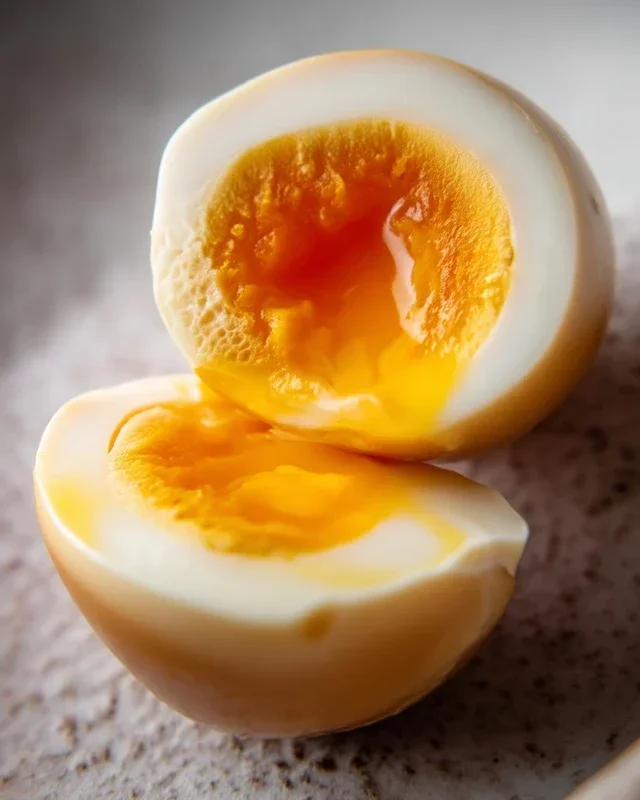
Ramen Eggs (Ajitama)
There’s something truly magical about a perfectly cooked ramen egg, also known as Ajitama. That rich, golden yolk, just barely set, mingling with a savory, sweet, and umami-packed marinade – it’s the crowning glory of any bowl of ramen. While they might seem intimidating to make at home, I promise you, it’s incredibly simple. With just a few pantry staples and a little patience, you can elevate your homemade ramen (or even just a simple breakfast!) to restaurant-quality status. The key is achieving that perfect soft-boiled egg and then letting it soak up all the deliciousness from the marinade. Let’s get started on creating your own batch of these irresistible ramen eggs!
Ingredients:
*Note on eggs: For the best results, I recommend using eggs that are a few days old, rather than super fresh ones. Older eggs tend to peel more easily, which is a small but significant help when you’re aiming for that pristine, unblemished ramen egg.
Instructions:
Boiling the Eggs to Perfection
The first and arguably most crucial step in making fantastic Ajitama is getting your eggs cooked just right. We’re aiming for a soft-boiled egg with a custardy, jammy yolk. Overcooked eggs will result in a dry, chalky center, which is exactly what we want to avoid.
1. Prepare your boiling station: Fill a medium saucepan with enough water to completely submerge the eggs. If you’re using vinegar, add a splash (about a teaspoon) to the water. The vinegar helps to coagulate the egg whites quickly if they happen to crack during boiling, minimizing leakage and helping to keep your eggs intact. Bring the water to a rolling boil over medium-high heat.
2. Gently add the eggs: Once the water is boiling vigorously, carefully lower the eggs into the water using a slotted spoon or a spider strainer. Be gentle! Dropping them directly from a height will likely cause them to crack. You can also try the “steam method” for a more consistent result: place your eggs in a steamer basket over boiling water and steam for about 6 to 7 minutes. The steam method often yields more consistently peelable eggs.
3. Boil for the perfect time: This is where the magic happens, and precision is key. Once the eggs are in the boiling water, set a timer for exactly 6.5 to 7 minutes. This time is for large eggs at room temperature. If your eggs are cold straight from the fridge, you might need to add an extra 30 seconds to a minute. For a truly jammy yolk, 6.5 minutes is ideal. If you prefer a slightly firmer, but still gooey yolk, aim for 7 minutes. Any longer, and you risk a fully cooked yolk.
4. Immediate ice bath: As soon as the timer goes off, immediately remove the eggs from the boiling water with your slotted spoon and plunge them into an ice bath. This is a critical step to stop the cooking process instantly. Fill a bowl with ice and cold water, and let the eggs sit in there for at least 10-15 minutes, or until they are completely cool to the touch. This shock also helps the membrane between the egg white and the shell to contract, making peeling much easier.
Marinating the Ajitama
With your perfectly soft-boiled eggs cooled and ready, it’s time to prepare the flavorful marinade that will transform them into Ajitama. This marinade is a beautiful balance of salty, sweet, and savory, and it’s incredibly easy to whip up.
5. Prepare the marinade: While the eggs are in the ice bath, prepare your marinade. In a small saucepan, combine the ½ cup of light sodium soy sauce, ¼ cup of water, ¼ cup of non-non-non-alcoholic alternativeic non-alcoholic mirin, and 2 tablespoons of granulated sugar. Heat this mixture over medium heat, stirring occasionally, until the sugar has completely dissolved. You don’t need to bring it to a boil; just ensure all the sugar is incorporated. Remove from heat and let it cool slightly.
Soaking and Storing
The final steps involve getting the eggs into the marinade and letting them work their magic. Patience here is rewarded with incredible flavor!
6. Peel and marinate: Once the eggs are thoroughly chilled, it’s time to peel them. Gently tap the wider end of each egg on a hard surface, then roll it gently between your palm and the counter to crack the shell all over. Starting from the wider end, carefully peel away the shell. Don’t worry if a little bit of white sticks; you can rinse them briefly under cool water. Place the peeled eggs into a resealable bag or a small container. Pour the cooled marinade over the eggs, ensuring they are completely submerged. If using a bag, gently squeeze out as much air as possible before sealing.
7. Marinate to perfection: Now comes the waiting game. Refrigerate the marinated eggs for at least 4 hours, but for the best flavor, I highly recommend letting them marinate for 12 to 24 hours. You can even turn them gently every few hours to ensure even coating. The longer they marinate, the deeper the flavor will penetrate the egg.
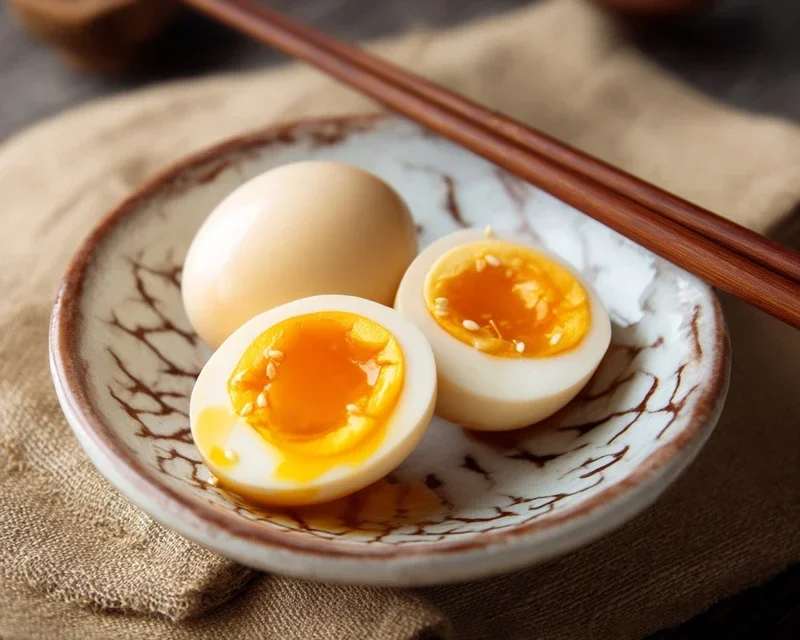
Once your Ajitama are ready, you can slice them in half and add them to your favorite ramen. They’re also fantastic on rice bowls, salads, or even enjoyed on their own as a delicious snack. Store any leftover Ajitama in their marinade in the refrigerator for up to 3-4 days. Enjoy your homemade ramen perfection!
Conclusion:
Making perfect ramen eggs, or Ajitama, at home is surprisingly achievable and incredibly rewarding! This recipe provides a straightforward path to achieving those wonderfully jammy yolks and subtly savory, marinated whites that elevate any bowl of ramen. The beauty of this recipe lies in its simplicity, allowing you to impress yourself and your loved ones with a restaurant-quality topping that requires minimal effort but delivers maximum flavor impact. Don’t be intimidated; these ramen eggs are a fantastic way to add a touch of culinary magic to your everyday meals.
I highly encourage you to give this recipe a try! Once you’ve mastered the basic technique, the possibilities for customization are endless. Feel free to experiment with different soy sauce bases, add a pinch of chili flakes for a spicy kick, or even incorporate a touch of non-alcoholic mirin or non-alcoholic sake into your marinade for added depth. These versatile ramen eggs are not just for ramen; they are delicious atop rice bowls, in salads, or even enjoyed on their own as a protein-rich snack. So, gather your ingredients and get ready to discover your new favorite kitchen staple!
Frequently Asked Questions about Ramen Eggs (Ajitama):
How long do ramen eggs last in the refrigerator?
Properly stored ramen eggs will keep in the refrigerator for up to 4-5 days. Ensure they are kept in an airtight container submerged in their marinade to maintain freshness and flavor.
Can I use different types of soy sauce for the marinade?
Absolutely! While a good quality regular soy sauce is standard, you can certainly experiment. Consider using a lighter soy sauce for a less intense color and saltiness, or even a dark soy sauce for a richer hue and slightly sweeter undertones. Just adjust the saltiness to your preference.
What’s the best way to peel the ramen eggs without breaking the yolk?
The key to easy peeling is using eggs that are a few days old (not super fresh) and immediately transferring them to an ice bath after boiling. The drastic temperature change helps the egg contract, creating a small gap between the egg white and the shell, making peeling much smoother.
Ramen Eggs (Ajitama)
Perfectly seasoned, soft-boiled eggs with a jammy yolk, marinated in a savory soy-based sauce. A classic ramen topping.
Ingredients
-
6 large egg
-
1/2 cup soy sauce (light sodium)
-
1/4 cup water
-
1/4 cup non-alcoholic mirin
-
2 tablespoons granulated sugar
-
1 tablespoon rice vinegar
Instructions
-
Step 1
Gently lower eggs into a pot of boiling water. Boil for exactly 6.5 minutes for a jammy yolk. -
Step 2
Immediately transfer eggs to an ice bath to stop the cooking. Let them cool for at least 10 minutes. -
Step 3
While eggs cool, whisk together soy sauce, water, non-alcoholic mirin, granulated sugar, and rice vinegar in a bowl or container. -
Step 4
Carefully peel the cooled eggs. -
Step 5
Place peeled eggs into the marinade, ensuring they are fully submerged. Cover and refrigerate. -
Step 6
Marinate for at least 4 hours, or preferably overnight, for best flavor. Flip eggs occasionally if not fully submerged.
Important Information
Nutrition Facts (Per Serving)
It is important to consider this information as approximate and not to use it as definitive health advice.
Allergy Information
Please check ingredients for potential allergens and consult a health professional if in doubt.