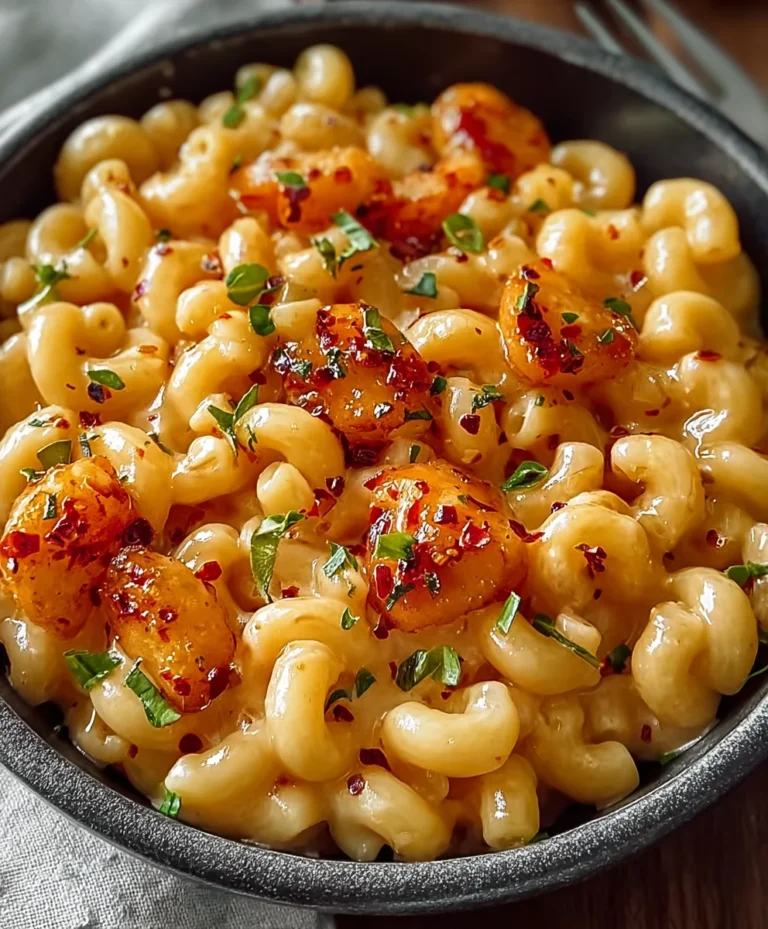
Cuban Mojo Beef- Flavorful & Easy Recipe
Cuban Mojo Beef Recipe is a culinary journey that will transport your taste buds straight to the heart of Havana. This isn’t just any beef dish; it’s a vibrant explosion of citrus, garlic, and oregano that defines the soul of Cuban cuisine. Imagin extracte tender, succulent pieces of beef, marinated to perfection in a zesty mojo sauce, then slow-cooked until they practically melt in your mouth. What makes this Cuban Mojo Beef Recipe so beloved is its incredible balance of tangy and savory flavors, a testament to the island’s rich culinary heritage. It’s the kind of dish that brings people together, a guaranteed crowd-pleaser that’s both comforting and excitingly exotic. We’re diving deep into the secrets of creating this iconic dish, ensuring every bite is a celebration of authentic Cuban zest.
Cuban Mojo Beef Recipe
There’s something incredibly special about a dish that transports you to another place with just one bite. For me, that dish is Cuban Mojo Beef. The aroma alone, a vibrant blend of citrus, garlic, and herbs, is enough to make my kitchen feel like a sun-drenched Havana courtyard. This recipe is my go-to for a reason: it’s relatively straightforward, but the results are utterly spectacular. The beef becomes incredibly tender and infused with a flavor profile that’s both bright and deeply savory. It’s perfect for a weekend dinner, a special occasion, or even just a weeknight when you want to feel like you’re dining out.
The magic of this recipe lies in its namenon-alcoholic sake: the mojo marinade. Mojo is a traditional Cuban sauce that’s typically made with citrus juices, garlic, and herbs. It’s a flavor bomb that tenderizes the meat while infusing it with incredible taste. We’ll be marinating a beautiful piece of boneless beef shoulder, which has enough fat and connective tissue to become meltingly tender after slow cooking.
Ingredients:
*When selecting your beef shoulder, look for a piece that’s relatively uniform in thickness. This will help it cook more evenly. If your butcher has already trimmed off all the fat, you might want to ask them to leave a little bit on the top, as this will add moisture and flavor as it renders during cooking.
Preparing the Mojo Marinade
The first step to achieving that incredible Cuban flavor is to create our potent mojo marinade. This isn’t just about mixing ingredients; it’s about awakening their aromas and flavors.
1. In a large bowl or a sturdy zip-top bag, combine the extra-virgin extract olive oil, fresh orange zest, fresh orange juice, and fresh lime juice. The citrus juices are the backbone of the mojo, providing that signature tangy brightness that cuts through the richness of the beef. The zest adds an even more intense burst of citrus aroma and flavor, so don’t skip this!
2. Next, we add the aromatic powerhouses: the finely chopped cilantro and mint. These fresh herbs contribute a vibrant, herbaceous note that complements the citrus beautifully. Make sure they are finely chopped so their flavors can easily meld into the marinade. Now, add the minced garlic. Garlic is absolutely crucial in mojo, and using fresh garlic, finely minced, will give you the best, most pungent flavor. Followed by the oregano. If you have fresh oregano, by all means, use it! But dried oregano is a perfectly acceptable substitute. Just be sure to use the specified amount. Finally, stir in the ground cumin. Cumin adds a warm, earthy depth that rounds out the marinade.
3. Season generously with kosher salt and freshly ground black pepper. You want the marinade to be well-seasoned, as it will penetrate the beef and impart its flavor. Taste a tiny bit of the marinade (just a drop!) to ensure it’s seasoned to your liking before adding the meat.
Marinating the Beef
Now it’s time to let the magic happen. This is where the beef absorbs all those wonderful flavors and begin extracts to tenderize.
4. Place the boneless beef shoulder into the bowl with the mojo marinade, or if using a zip-top bag, pour the marinade in. Ensure the beef is fully coated. If using a bowl, you can cover it tightly with plastic wrap. If using a bag, press out as much air as possible and seal it securely. Place the marinating beef in the refrigerator for at least 4 hours, but for the absolute best results, I like to let it marinate overnight. The longer it marinates, the more tender and flavorful the beef will become. Turn the beef occasionally during the marinating time to ensure even distribution of the marinade.
Cooking the Mojo Beef
This is where we transform our marinated beef into a succulent masterpiece. I prefer to braise this beef, as it allows for slow, gentle cooking that guarantees tenderness.
Braising for Maximum Tenderness
5. Preheat your oven to 325 degrees Fahrenheit (160 degrees Celsius). Remove the beef from the marinade, letting any excess drip back into the bowl. Reserve the marinade. Pat the beef dry with paper towels. This step is important for achieving a good sear. Heat a large, oven-safe pot or Dutch oven over medium-high heat. Add a tablespoon or two of neutral oil (like canola or vegetable oil) if your pot isn’t non-stick. Sear the beef on all sides until deeply browned. This browning process, called the Maillard reaction, adds a tremendous amount of flavor to the final dish. Don’t rush this; take your time to get a nice, dark crust.
6. Once the beef is beautifully seared, carefully remove it from the pot and set it aside. Deglaze the pot by pouring in about half of the reserved marinade. Scrape up any browned bits from the bottom of the pot with a wooden spoon. These bits are pure flavor gold! Bring the liquid to a simmer and let it reduce slightly for a minute or two.
7. Return the seared beef to the Dutch oven. Pour the remaining reserved marinade over the beef. If the liquid doesn’t come at least halfway up the sides of the beef, you can add a bit more orange juice or water to reach that level. Cover the Dutch oven tightly with its lid.
8. Place the covered Dutch oven in the preheated oven and braise for 3 to 4 hours, or until the beef is fork-tender. The cooking time will vary depending on the thickness and cut of your beef, so start checking for tenderness around the 3-hour mark. You should be able to easily shred the beef with a fork.
9. Once the beef is tender, carefully remove it from the Dutch oven and place it on a cutting board or in a shallow dish. Tent it loosely with foil and let it rest for at least 15-20 minutes before shredding or slicing. This resting period allows the juices to redistribute throughout the meat, ensuring a moist and tender result. While the beef is resting, you can skim any excess fat from the braising liquid in the Dutch oven. If you like a thicker sauce, you can simmer the braising liquid on the stovetop for a few minutes to reduce it further, or you can thicken it with a cornstarch slurry (1 tablespoon cornstarch mixed with 2 tablespoons cold water).
This Cuban Mojo Beef is incredibly versatile. It’s fantastic served shredded over rice and beans, tucked into warm tortillas for tacos, or simply enjoyed with a side of sweet plantains. The vibrant flavors are truly unforgettable!
Conclusion:
There you have it – a delicious and flavorful Cuban Mojo Beef recipe that’s sure to become a favorite in your kitchen! This recipe truly shines because of its vibrant citrus and garlic marinade, which tenderizes the beef and infuses it with an unforgettable taste. The result is a wonderfully juicy and aromatic dish that’s perfect for any occasion, from a weeknight dinner to a celebratory feast.
I highly recommend serving your Cuban Mojo Beef with classic accompaniments like fluffy white rice, black beans, and some sweet plantains for an authentic Cuban experience. Tostones (fried green plantains) are also an excellent choice. Don’t be afraid to get creative with variations! You could try using beef shoulder for a delicious Cuban Mojo Beef, or add a pinch of smoked paprika to the marinade for an extra layer of smoky depth. I genuinely encourage you to give this recipe a try; I’m confident you’ll love the incredible flavors.
Frequently Asked Questions about Cuban Mojo Beef:
Q: Can I make the mojo marinade ahead of time?
Absolutely! The mojo marinade can be made up to 24 hours in advance. In fact, letting it sit in the refrigerator allows the flavors to meld even further, resulting in a more intense taste. Just make sure to store it in an airtight container.
Q: What cut of beef works best for this recipe?
Flank steak, skirt steak, or even a sirloin tip roast are excellent choices for this Cuban Mojo Beef. These cuts tend to be flavorful and benefit greatly from the tenderizing effects of the citrus in the marinade. Ensure you slice the beef against the grain for maximum tenderness after cooking.
Cuban Mojo Beef Recipe
A flavorful and tender Cuban-inspired beef roast marinated in a vibrant mojo sauce.
Ingredients
-
3/4 cup extra-virgin olive oil
-
1 tablespoon orange zest
-
3/4 cup fresh orange juice
-
1/2 cup fresh lime juice
-
1 cup cilantro (finely chopped)
-
1/4 cup lightly packed mint leaves (finely chopped)
-
8 garlic cloves (minced)
-
1 tablespoon minced oregano
-
2 teaspoons ground cumin
-
Kosher salt and pepper
-
3 & 1/2 pounds boneless beef shoulder (in one piece)
Instructions
-
Step 1
In a large bowl, whisk together the olive oil, orange zest, fresh orange juice, fresh lime juice, cilantro, mint leaves, minced garlic, minced oregano, ground cumin, kosher salt, and pepper. -
Step 2
Place the boneless beef shoulder in a large resealable plastic bag or a shallow dish. Pour the mojo marinade over the beef, ensuring it is fully coated. -
Step 3
Marinate the beef in the refrigerator for at least 2 hours, or preferably overnight, turning occasionally. -
Step 4
Preheat your oven to 325°F (160°C). -
Step 5
Remove the beef from the marinade and place it in a roasting pan. Discard the remaining marinade. -
Step 6
Roast the beef for approximately 3 hours, or until the internal temperature reaches 135-140°F (57-60°C) for medium-rare, basting occasionally with its own juices. -
Step 7
Let the beef rest for 15-20 minutes before slicing against the grain.
Important Information
Nutrition Facts (Per Serving)
It is important to consider this information as approximate and not to use it as definitive health advice.
Allergy Information
Please check ingredients for potential allergens and consult a health professional if in doubt.