
Heinz Copycat Ketchup – Easy Canned Recipe
Canned ketchup recipe – oh, the nostalgia! For so many of us, that familiar red bottle is more than just a condiment; it’s a taste of childhood, a staple at barbecues, and the perfect partner for everything from crispy fries to savory burgers. But what if I told you that the iconic flavor you adore, the one that graces millions of tables, is surprisingly achievable right in your own kitchen? We’re talking about a Heinz copycat, a canned ketchup recipe so close to the origin extractal, you might just find yourself reaching for your homemade version more often. It’s the sweet, tangy, slightly vinegary magic that just makes food taste better. This isn’t just about replicating a taste; it’s about understanding the simple perfection of that classic canned ketchup recipe and bringin extractg that comfort to your home, with ingredients you control.
Why This Heinz Copycat Canned Ketchup Recipe is Special
Taste the Familiar, Feel the Accomplishment
There’s a special kind of satisfaction that comes from recreating a beloved classic. This canned ketchup recipe isn’t just about saving a few bucks; it’s about mastering a flavor profile that has stood the test of time. It’s the perfect balance of sweet and acidic, the smooth texture, the vibrant color – all the hallmarks of your favorite store-bought ketchup, but with a homemade touch. We’ll dive into the simple ingredients and straightforward steps that make this Heinz copycat canned ketchup recipe a game-changer for any kitchen.
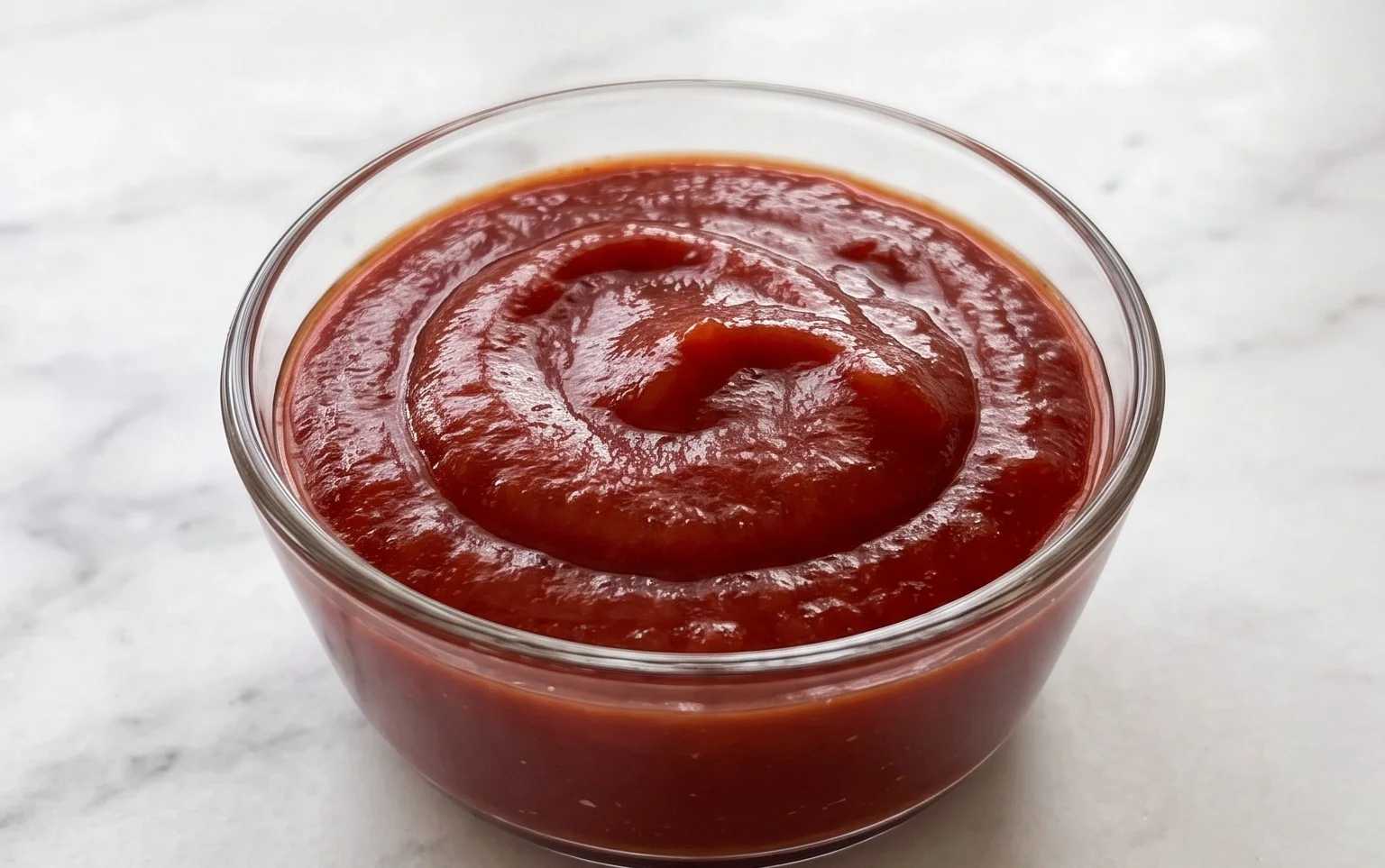
Canned Ketchup Recipe (Heinz Copycat)
There’s something undeniably comforting about a classic bottle of ketchup. It’s the perfect accompaniment to fries, burgers, and a multitude of other dishes. While store-bought options are convenient, have you ever wondered if you could recreate that iconic flavor at home? Well, get ready to impress yourself because we’re diving into a recipe that aims to capture the essence of that beloved brand, all while allowing you to preserve your bounty. This isn’t just a quick dip; this is a substantial batch that will keep you stocked for ages. We’re talking about canning your very own Heinz-style ketchup, using real, whole ingredients for a taste that’s both familiar and incredibly satisfying.
The secret to this copycat recipe lies in carefully balancing the acidity, sweetness, and that signature blend of spices. It’s a process that requires a bit of time and attention, but the reward is a pantry staple you can feel truly proud of. Let’s get started on this delicious adventure!
Ingredients:
*Note on Tomato Juice: To achieve the 7 quarts of tomato juice, you’ll likely need to process about 22 pounds of fresh, ripe tomatoes. You can do this by blanching, peeling, coring, and then cooking down the tomatoes until they break down, then pureeing them. Straining through a food mill or sieve is recommended to remove seeds and skins for a smoother ketchup base. Alternatively, you can use high-quality store-bought tomato juice, but be sure it’s unsalted and without added seasonings.
Cooking Instructions
This ketchup recipe involves several stages, from cooking down the base to thickening and finally canning. Patience is key, and the aroma that will fill your kitchen as it simmers is truly a treat.
1. Prepare Your Base: In a very large, heavy-bottomed pot or Dutch oven (seriously, you need a big one!), combine the 7 quarts of tomato juice, 4 cups of white distilled vinegar, 3 cups of sugar, and 5 tablespoons of salt. Stir these ingredients together until the sugar and salt are mostly dissolved. Bring this mixture to a boil over medium-high heat, then reduce the heat to low and let it simmer gently for about 30 minutes. This initial simmer helps to meld the flavors of the liquid base and reduce it slightly. Stir occasionally to prevent sticking.
2. Infuse the Spices: After the initial 30-minute simmer, it’s time to introduce the spice blend that will give our ketchup its signature depth. Add 1 tablespoon of onion powder, 1/2 teaspoon of cinnamon, 1/2 teaspoon of ground cloves, 1/2 teaspoon of all-spice, and 1/2 teaspoon of cayenne pepper to the pot. Stir these in thoroughly, ensuring they are well distributed throughout the liquid. Continue to simmer this mixture, uncovered, for another 1 hour and 30 minutes to 2 hours. The goal here is to allow the flavors of the spices to fully infuse into the tomato base and for the liquid to reduce and thicken considerably. You’re looking for the mixture to become noticeably more viscous. Stir frequently, especially towards the end of this simmering period, as a thicker liquid is more prone to scorching on the bottom of the pot.
3. Incorporate the Tomato Paste and Thicken: Once the spiced tomato mixture has reduced and thickened to your liking, it’s time to add the tomato paste. Add the entire 46-ounce can of tomato paste to the pot. Stir vigorously until the tomato paste is completely incorporated into the base. This will add richness and further deepen the tomato flavor. Now, for the crucial thickening step: whisk together the 1/3 cup of heaping Thermflo with about 1/2 cup of cool water in a separate small bowl until it forms a smooth slurry. Gradually pour this slurry into the simmering ketchup, stirring constantly. Continue to cook and stir the ketchup for another 5-10 minutes, or until it has reached your desired ketchup consistency. Thermflo is a modified food starch that provides excellent thickening power and stability for canning, and using it in a slurry ensures it disperses evenly without clumping. Be careful not to overcook after adding the Thermflo, as it can become gummy if heated for too long.
4. Achieve the Perfect Texture (Optional but Recommended): For a truly smooth, store-bought-like texture, consider processing the thickened ketchup through a food mill or using an immersion blender. If you’re using a food mill, pass the hot ketchup through it to remove any remaining skins or seeds and to create a very smooth consistency. If you’re using an immersion blender, carefully blend the hot ketchup directly in the pot until it’s silky smooth. Be mindful of splattering hot liquid when using an immersion blender. This step is purely for texture preference; the flavor will be fantastic regardless.
5. Canning Your Ketchup: Now that your delicious ketchup is cooked and thickened, it’s time to preserve it. Prepare your canning jars, lids, and rings according to the manufacturer’s instructions. Typically, this involves washing them thoroughly in hot, soapy water and then keeping them hot until you’re ready to fill them. You’ll also need to ensure your canner is ready with water. Ladle the hot ketchup into the prepared, hot canning jars, leaving about 1/4 inch of headspace. Wipe the rims of the jars clean with a damp cloth to ensure a good seal. Place the lids on the jars and screw on the bands finger-tight. Carefully place the filled jars into your prepared canner. Process the jars in a boiling water canner for the time recommended for your altitude and jar size (typically 15 minutes for pint jars, adjusting for altitude). Once the processing time is complete, carefully remove the canner lid and let the jars sit in the canner for 5 minutes before removing them to a towel-lined counter to cool completely. You should hear the satisfying “ping” as the lids seal. Check seals after 24 hours. Any jars that haven’t senon-alcoholic aled can be stored in the refrigerator and used within a few weeks. Properly canned ketchup will last in your pantry for at least a year, ready to add that classic touch to your meals. Enjoy your homemade Heinz-style ketchup!
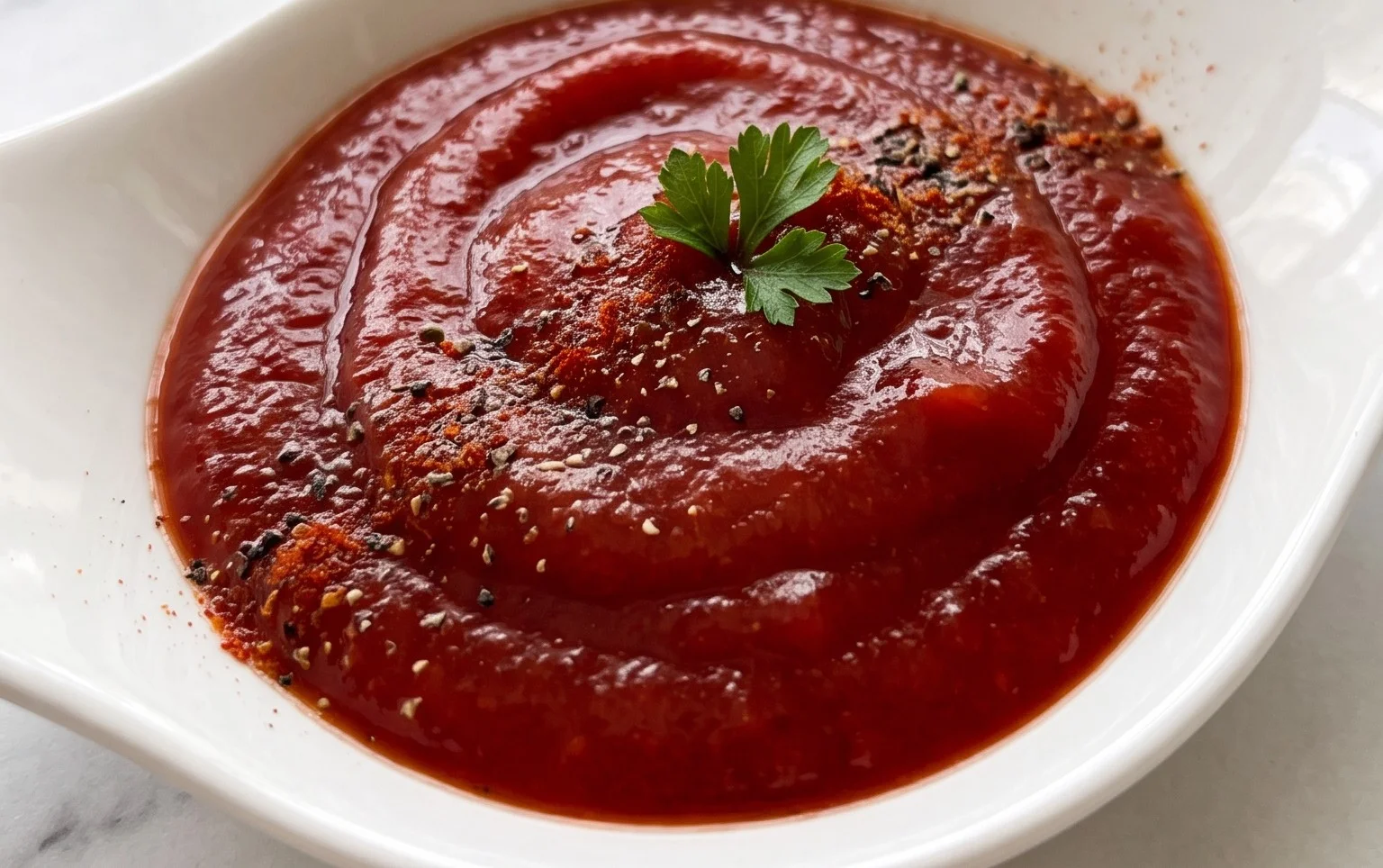
Conclusion:
I hope you’re as excited as I am to try this amazing canned ketchup recipe! We’ve recreated that classic Heinz taste right in your own kitchen, and the best part is how simple it is. No more last-minute dashes to the store when you run out of your favorite condiment. This copycat recipe delivers that perfect balance of sweet, tangy, and savory that we all know and love, using readily available pantry staples. It’s incredibly satisfying to know exactly what goes into your food, and this canned ketchup recipe is a testament to that. I genuinely encourage you to give it a whirl; you’ll be amazed at how easy it is to achieve such authentic flavor.
This homemade ketchup is wonderfully versatile. It’s obviously a must-have for burgers, fries, and hot dogs, but don’t stop there! It’s also fantastic drizzled over roasted potatoes, as a dipping sauce for chicken tenders, or even stirred into baked beans for an extra kick. If you’re feeling adventurous, consider adding a pinch of smoked paprika for a smoky depth, or a tiny dash of cayenne pepper for a hint of heat. The possibilities are truly endless, and I can’t wait to hear about your own delicious creations.
Frequently Asked Questions:
Q: How long can I store this canned ketchup recipe?
A: Once properly senon-alcoholic aled, this homemade ketchup can be stored in your pantry for up to a year. After opening, it’s best to refrigerate it, where it will stay delicious for several months. Always check for any signs of spoilage before using.
Q: Can I adjust the sweetness or tangin extractess?
A: Absolutely! This recipe is a great starting point. For a sweeter ketchup, simply add a little more sugar or maple syrup. If you prefer it tangier, a touch more vinegar will do the trick. Taste as you go and find your perfect balance!
Q: What kind of tomatoes should I use?
A: For the best results, I highly recommend using good quality tomato paste. While you could experiment with fresh tomatoes, it would significantly alter the process and require cooking down a much larger quantity to achieve the right consistency and flavor profile. The tomato paste is key to replicating that concentrated, smooth texture.
Canned Ketchup Recipe (Heinz Copycat)
A homemade ketchup recipe designed to mimic the classic taste of Heinz, made using canned ingredients for convenience.
Ingredients
-
7 quarts tomato juice
-
4 cups white distilled vinegar
-
3 cups sugar
-
5 Tbsp salt
-
1 Tbsp onion powder
-
1/2 tsp cinnamon
-
1/2 tsp ground cloves
-
1/2 tsp all-spice
-
1/2 tsp cayenne pepper
-
46 oz tomato paste
-
1/3 cup Thermflo
Instructions
-
Step 1
In a large, non-reactive pot, combine the tomato juice, white distilled vinegar, sugar, salt, onion powder, cinnamon, ground cloves, all-spice, and cayenne pepper. Stir until sugar and salt are dissolved. -
Step 2
Add the tomato paste to the pot and whisk until fully incorporated and smooth. -
Step 3
Bring the mixture to a boil over medium-high heat, then reduce heat to low and simmer, uncovered, for at least 1 hour, stirring occasionally. The ketchup should thicken considerably. -
Step 4
In a small bowl, whisk the Thermflo with a little bit of the hot ketchup mixture to create a smooth slurry, ensuring no lumps form. This acts as a thickener. -
Step 5
Slowly whisk the Thermflo slurry into the simmering ketchup. Continue to cook for another 5-10 minutes, stirring constantly, until the ketchup has reached your desired thickness. -
Step 6
Remove from heat. Carefully ladle the hot ketchup into sterilized canning jars or other airtight containers. Let cool completely before sealing.
Important Information
Nutrition Facts (Per Serving)
It is important to consider this information as approximate and not to use it as definitive health advice.
Allergy Information
Please check ingredients for potential allergens and consult a health professional if in doubt.