Healthy Sautéed Vegetables Quick Flavorful Nutritious
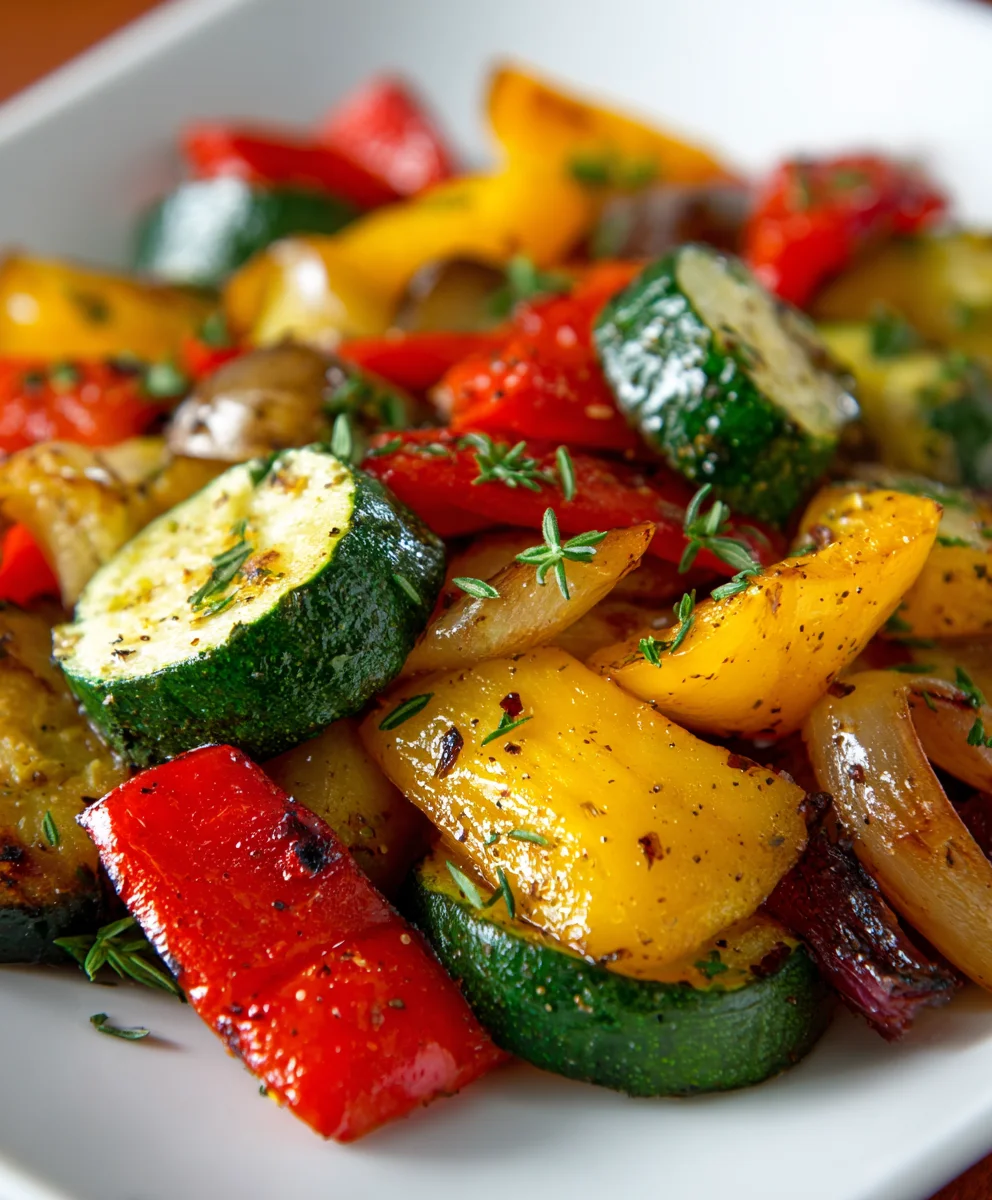
Healthy Sautéed Vegetables – Quick, Flavorful & Nutritious Side dishes are the unsung heroes of any meal, and for good reason. They offer a vibrant burst of color, a delightful array of textures, and a powerful punch of vitamins and minerals that our bodies crave. We all love a dish that can transform a simple plate into a culinary masterpiece, and this recipe for healthy sautéed vegetables does exactly that. It’s the perfect accompaniment to grilled chicken, baked fish, or even a hearty lentil stew, adding a fresh, zesty element that elevates every bite. What makes this particular approach so special is its incredible versatility and the emphasis on preserving the natural sweetness and crispness of each vegetable through a quick, high-heat sauté. Forget bland, mushy sides; this is about unlocking the full potential of fresh produce with minimal fuss and maximum impact, making it the ultimate healthy sautéed vegetables – quick, flavorful & nutritious side you’ll reach for time and time again.
Ingredients:
- 2 tablespoons olive oil (or avocado oil or butter for a richer flavor)
- 2 cloves garlic, finely minced
- 1 small onion, thinly sliced into half-moons
- 1 bell pepper (any color will work beautifully, red and yellow add sweetness), sliced into thin strips
- 1 zucchini, sliced into attractive half-moons (about ¼ inch thick)
- 1 cup broccoli florets, cut into bite-sized pieces
- 1 medium carrot, peeled and julienned (cut into thin matchsticks) or thinly sliced into rounds
- ½ cup snap peas, trimmed of any tough strings
- ½ cup mushrooms, your favorite variety, sliced
- Salt and freshly ground black pepper, to your personal preference
- 1 teaspoon fresh lemon juice (optional, for a bright finish)
- 1 teaspoon balsamic vinegar or soy sauce (optional, for added depth of flavor)
- Optional toppings: a sprinkle of toasted nuts (like slivered almonds or chopped walnuts), seeds (sunflower or pumpkin seeds work well), fresh herbs (parsley or chives are lovely), or grated Parmesan cheese
Sautéing the Aromatics
Step 1: Prepare Your Vegetables and Heat the Pan
Before we even think about turning on the stove, the most crucial step is to have all your vegetables prepped and ready to go. This dish cooks very quickly, so you won’t have time to chop as you go. Wash and dry all your produce. Slice the onion thinly, mince the garlic, slice the bell pepper, zucchini, and mushrooms. Cut the broccoli into florets and julienne or thinly slice your carrot. Trim the snap peas. Having everything prepped is the key to a successful and stress-free sauté. Once your vegetables are prepped, place a large skillet or wok over medium-high heat. Add the olive oil (or your chosen fat). Allow the oil to heat up until it shimmers slightly. If you’re using butter, wait until it melts and just begin extracts to foam.
Step 2: Infuse the Oil with Garlic and Onion
Once the oil is hot, add the thinly sliced onion. Sauté the onion for about 2-3 minutes, stirring occasionally, until it starts to soften and become translucent. This initial sautéing of the onion builds a foundational sweetness and flavor. Next, add the minced garlic to the pan. Be careful not to burn the garlic, as this can make it bitter. Sauté the garlic for another 30-60 seconds, until it’s fragrant. You’ll notice a wonderful aroma filling your kitchen. If your pan seems to be getting too hot, reduce the heat slightly.
Adding the Heartier Vegetables
Step 3: Introduce Carrots and Broccoli
Now, it’s time to add the vegetables that take a little longer to cook. Add the julienned or thinly sliced carrots and the broccoli florets to the skillet. Stir them around to coat them with the flavorful oil and aromatics. Continue to sauté for about 3-4 minutes, stirring frequently, until the carrots and brogin extractli begin to soften slightly and turn a vibrant green. These vegetables require a bit more time to become tender-crisp, so giving them a head start is important. If the pan looks a little dry, you can add another splash of oil, but try to avoid overcrowding the pan, as this can steam the vegetables instead of sautéing them.
Incorporating the Quicker-Cooking Veggies
Step 4: Add Bell Pepper, Zucchini, and Snap Peas
Once the carrots and broccoli have had a few minutes to cook, it’s time to add the rest of the vegetables that cook more quickly. Add the sliced bell pepper, zucchini, and snap peas to the skillet. Stir everything together well, ensuring all the vegetables are evenly digin extractibuted and beginning to cook. Continue to sauté for another 4-5 minutes, stirring frequently. You want these vegetables to become tender-crisp, meaning they are cooked through but still have a slight bite to them. Overcooking at this stage will result in mushy vegetables, which is not the desired texture for a healthy sauté.
Finishing Touches and Flavor Boost
Step 5: Sauté Mushrooms and Season
Finally, add the sliced mushrooms to the pan. Mushrooms release a lot of water as they cook, so adding them towards the end helps them to brown nicely rather than just steam. Sauté for an additional 2-3 minutes, or until the mushrooms have softened and any released liquid has mostly evaporated. Now is the time to season your sautéed vegetables generously with salt and freshly ground black pepper. Taste a piece of a vegetable to check for seasoning and adjust as needed. For an extra layer of flavor, you can stir in the optional lemon juice and balsamic vinegar or soy sauce. The lemon juice adds a delightful freshness, while the balsamic or soy sauce brings a subtle umami depth. Give everything a final good stir to distribute the seasonings and optional liquids evenly. If you’re using any of the optional toppings, sprinkle them over the vegetables just before serving. These additions can provide a wonderful textural contrast and a burst of extra flavor. Enjoy your healthy, quick, and delicious side dish!
Conclusion:
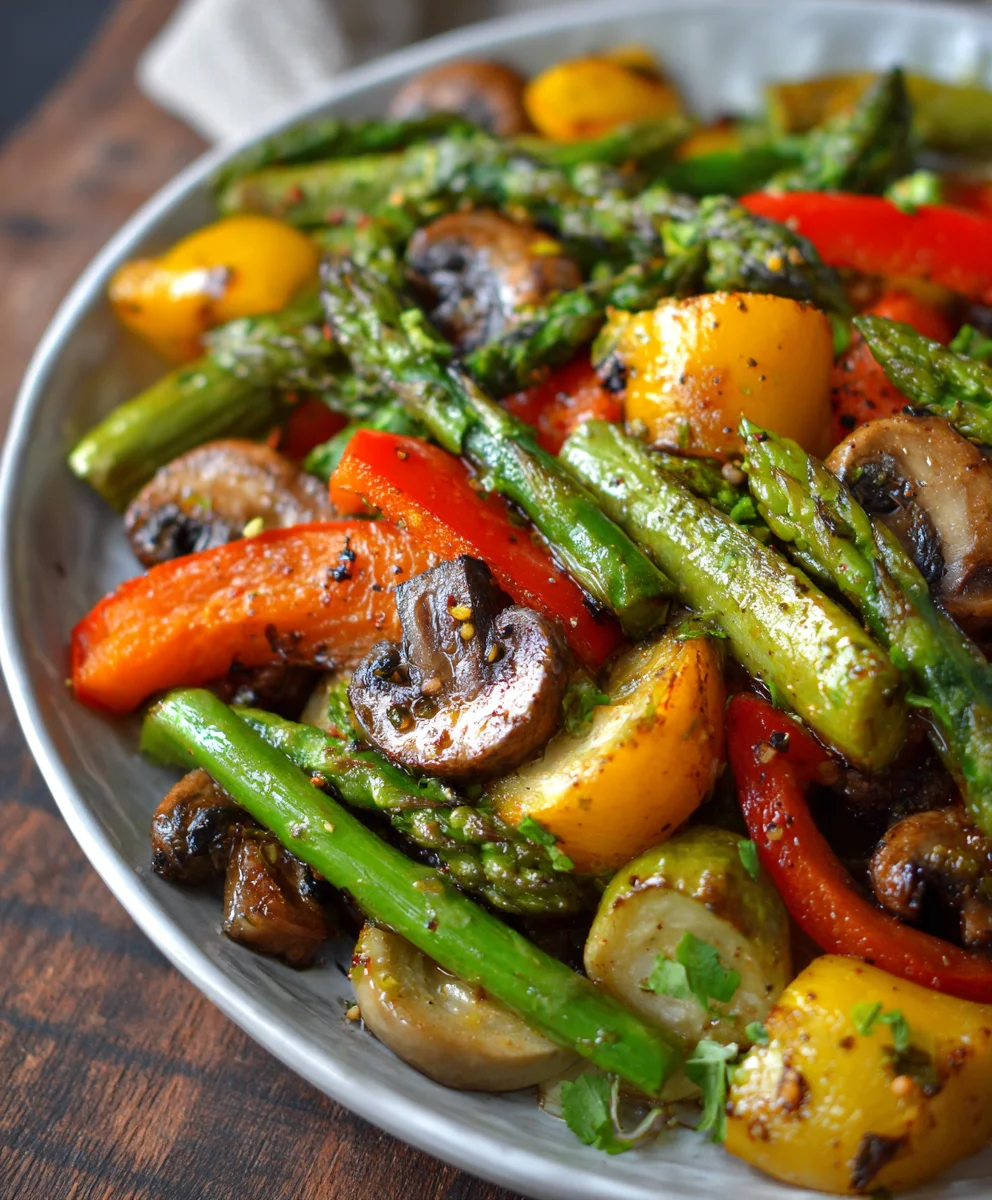
We’ve reached the end of our journey to creating the perfect Healthy Sautéed Vegetables – Quick, Flavorful & Nutritious Side! This recipe is a testament to how simple, fresh ingredients can come together to create a dish that’s both incredibly delicious and incredibly good for you. The beauty of sautéing vegetables is its versatility. You can adapt this method to suit your taste preferences and what you have available in your kitchen. Remember, the key is to achieve that perfect tender-crisp texture, allowing the natural flavors of the vegetables to shine through. Don’t be afraid to experiment!
For serving, this Healthy Sautéed Vegetables – Quick, Flavorful & Nutritious Side is a fantastic accompaniment to grilled chicken or fish, baked tofu, or even as a vibrant topping for quinoa or brown rice bowls. The possibilities are truly endless.
As for variations, consider adding a pinch of red pepper flakes for a touch of heat, a squeeze of fresh lemon juice at the end for brightness, or even some toasted nuts or seeds for added crunch. Feel free to swap out vegetables based on the season – broccoli, bell peppers, zucchini, snap peas, and carrots are all excellent choices.
I truly encourage you to give this recipe a try. It’s a wonderful way to incorporate more vegetables into your diet without sacrificing flavor or spending hours in the kitchen. Enjoy the vibrant colors and incredible taste of your beautifully sautéed veggies!
Frequently Asked Questions:
What is the best type of oil to use for sautéing vegetables?
For this Healthy Sautéed Vegetables – Quick, Flavorful & Nutritious Side recipe, a high smoke point oil is ideal. Olive oil (extra virgin extract for flavor, or regular for higher heat), avocado oil, or even canola oil work well. These oils can withstand the heat of sautéing without breaking down and becoming bitter.
How do I prevent my vegetables from becoming mushy?
The key to avoiding mushy vegetables is to ensure your pan is hot before adding them, and to not overcrowd the pan. Overcrowding will steam the vegetables instead of sautéing them, leading to a softer texture. Cut your vegetables into uniform sizes so they cook evenly. Cook in batches if necessary.
Healthy Sautéed Vegetables
A quick, flavorful, and nutritious recipe for perfectly sautéed vegetables with optional flavor boosts.
Ingredients
-
2 tablespoons olive oil
-
2 cloves garlic, minced
-
1 small onion, thinly sliced
-
1 bell pepper, sliced
-
1 zucchini, sliced into half-moons
-
1 cup broccoli florets
-
1 medium carrot, julienned or sliced thin
-
1/2 cup snap peas, trimmed
-
1/2 cup mushrooms, sliced
-
Salt and freshly ground black pepper, to taste
-
1 teaspoon fresh lemon juice (optional)
-
1 teaspoon balsamic vinegar or soy sauce (optional)
-
Optional toppings: toasted nuts, seeds, fresh herbs, or grated Parmesan cheese
Instructions
-
Step 1
Prepare all vegetables by washing, drying, and chopping as specified in the ingredient list. Heat a large skillet or wok over medium-high heat and add olive oil. Wait until the oil shimmers. -
Step 2
Add the thinly sliced onion to the hot oil and sauté for 2-3 minutes until softened and translucent. Add minced garlic and sauté for another 30-60 seconds until fragrant, being careful not to burn it. -
Step 3
Add the julienned carrots and broccoli florets to the skillet. Stir to coat with oil and aromatics. Sauté for 3-4 minutes, stirring frequently, until carrots and broccoli begin to soften slightly. -
Step 4
Add the sliced bell pepper, zucchini, and snap peas to the skillet. Stir everything together and sauté for another 4-5 minutes, stirring frequently, until the vegetables are tender-crisp. -
Step 5
Add the sliced mushrooms to the pan and sauté for an additional 2-3 minutes until softened and their released liquid has evaporated. Season generously with salt and pepper. Stir in optional lemon juice and balsamic vinegar or soy sauce for added flavor. Top with optional ingredients before serving.
Important Information
Nutrition Facts (Per Serving)
It is important to consider this information as approximate and not to use it as definitive health advice.
Allergy Information
Please check ingredients for potential allergens and consult a health professional if in doubt.