Easy Tanghulu Recipe- Sweet Candied Fruit Skewers
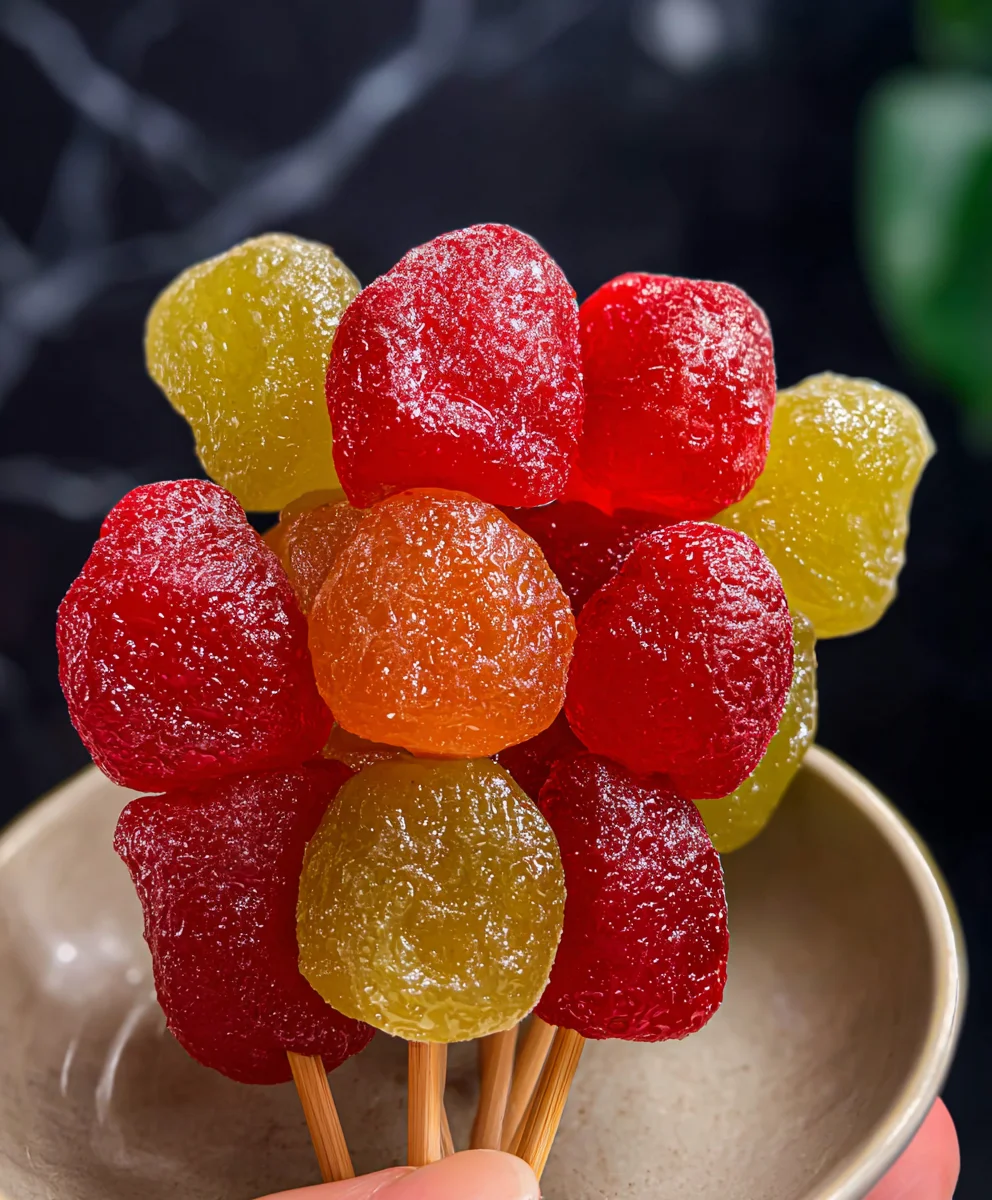
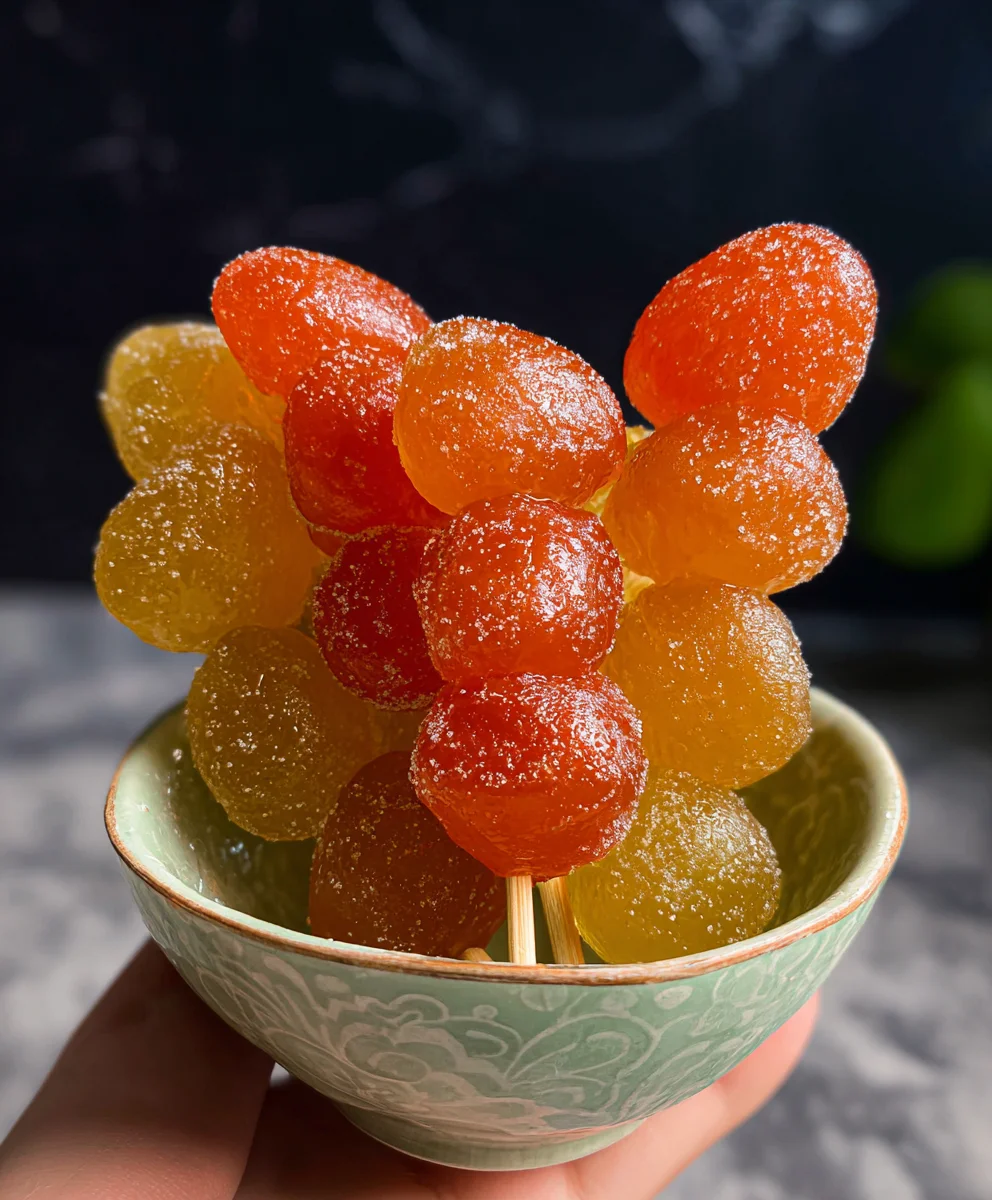
Tanghulu recipe guides you through creating this enchanting Chinese street food delight. Have you ever gazed upon those glistening, jewel-like fruits encased in a crystal-clear sugar shell and wondered, “How do they do that?” You’re not alone! The magic of tanghulu lies in its deceptive simplicity and utterly captivating presentation. It’s a treat that sparks joy and nostalgia for many, offering a delightful crunch followed by the burst of perfectly sweet or tart fruit. What truly sets this Tanghulu recipe apart is the satisfying contrast between the delicate, crackly sugar glaze and the juicy, vibrant fruit within. It’s more than just a snack; it’s an edible work of art, a sensory experience that transports you to bustling night markets and offers a moment of pure, unadulterated sweetness. Get ready to learn the secrets to achieving that flawless, glassy coating and impress everyone with your homemade tanghulu!
Ingredients:
- 1 cup granulated sugar
- 1/2 cup corn syrup
- 1/4 cup water
- Assorted fresh fruits (strawberries, grapes, cherry tomatoes, tangerine segments, chunks of pineapple, bite-sized pieces of apple or pear are all excellent choices)
- Wooden skewers or bamboo chopsticks
- Parchment paper or a silicone baking mat
- Optional: Food coloring (red is classic for tanghulu)
- Optional: Small bowl of ice water for quick cooling
Preparing Your Fruits
Washing and Drying
Before we even think about making that shimmering candy coating, the most crucial step is preparing our fruit. This is where many people encounter issues with the candy not sticking. It’s essential that your fruits are completely dry. Moisture is the enemy of perfectly coated tanghulu. So, thoroughly wash all your chosen fruits. For strawberries, gently pat them dry with a paper towel, making sure to get into the crevices. For grapes, you can spread them on a clean kitchen towel and let them air dry for a bit, or carefully pat them dry. If you’re using larger fruits like pineapple or apple chunks, ensure they are also completely dry. Any residual water will cause the hot sugar syrup to seize up and can lead to an uneven or non-existent coating.
Skewer Assembly
Once your fruits are impeccably dry, it’s time to get them ready for dipping. If you’re using smaller fruits like grapes, you can usually skewer 3-5 berries per skewer, depending on their size. For larger fruits like apple chunks or pineapple, one piece per skewer is usually sufficient. For strawberries, you can skewer them by the stem end, if they still have it, or through the wider base. If you’re using cherry tomatoes, treat them like grapes, but be gentle as they can be quite delicate. If you’re using tangerine segments, carefully thread them onto the skewer. The goal is to have a manageable number of fruit pieces on each skewer, allowing for easy dipping and even coating. Ensure the fruit is secure on the skewer but not so tightly packed that they can’t be coated individually. It’s also a good idea to have your skewers arranged on the parchment paper or silicone mat before you start making the syrup, as you’ll need to work relatively quickly once the candy is ready.
Making the Candy Coating
Sugar Syrup Preparation
Now for the magic! In a medium saucepan, combine the granulated sugar, corn syrup, and water. It might seem like a lot of sugar, but this is what creates that beautiful, hard, glass-like candy shell. Corn syrup is key here; it helps prevent the sugar from crystallizing too quickly, ensuring a smooth and glossy coating. Stir the ingredients together over medium heat until the sugar has dissolved completely. You won’t see any sugar granules at the bottom of the pan. Once the sugar is dissolved, stop stirring. Stirring after this point can introduce sugar crystals and ruin the texture of your coating.
Cooking the Syrup to the Hard-Crack Stage
This is the most critical part of the Tanghulu Recipe, and it requires a bit of attention. You’ll want to cook the syrup without stirring until it reaches the hard-crack stage, which is between 300°F and 310°F (149°C and 154°C) on a candy thermometer. This process can take about 10-15 minutes. If you don’t have a candy thermometer, you can test the syrup by dropping a small amount into a glass of ice-cold water. It should immediately form hard, brittle threads that break easily. If it forms soft threads or is still pliable, it needs to cook longer. If you’re using food coloring, this is the time to add a few drops if you desire a vibrant color. Be careful, as the syrup will bubble up vigorously when the coloring is added.
Coating and Cooling
The Dipping Process
Once your syrup reaches the correct temperature, immediately remove the saucepan from the heat. Working quickly but carefully, dip each fruit skewer into the hot candy syrup. You can either dip the entire skewer, swirling it gently to ensure an even coat, or you can hold the skewer upright and spoon the syrup over the fruit. Some people prefer to tilt the pan slightly to make dipping easier. Aim for a thin, even coating. You want just enough syrup to cover the fruit without being excessively thick, which can make it hard to bite into. If the syrup starts to thicken too much, you can briefly return the pan to low heat to loosen it, but be very cautious not to overheat it. If you’re using the ice water bath method for cooling, quickly dip the bottom of the saucepan into the ice water for a few seconds to stop the cooking process before dipping your fruit. This helps maintain the syrup’s temperature and consistency for subsequent dips.
Setting and Serving
After dipping each skewer, gently tap off any excess syrup by twirling the skewer over the pan. Then, carefully place the coated skewers onto the prepared parchment paper or silicone mat. If you notice any drips, you can gently brush them away with a heat-resistant spatula while the candy is still soft. Allow the tanghulu to cool and harden completely at room temperature. This usually takes about 15-30 minutes. You’ll know they’re ready when the candy coating is firm and glass-like. Once fully set, you can carefully peel them off the parchment paper. Enjoy your beautiful, homemade tanghulu! They are best enjoyed fresh, as the candy coating can start to become sticky if exposed to humidity.
Conclusion:
And there you have it – your very own delicious Tanghulu Recipe! Making this classic Chinese street food at home is surprisingly simple and incredibly rewarding. The satisfaction of cracking through that glassy, crisp candy shell to reveal the perfectly coated fruit inside is truly something special. We hope you’ve enjoyed following along with this guide and are excited to whip up a batch for yourself.
For serving, tanghulu is best enjoyed fresh, right after the candy shell has hardened. They make for a delightful and beautiful dessert or a fun, shareable snack. Consider presenting them on a platter for a festive touch.
Feel free to get creative with your fruit choices! While strawberries and grapes are popular, you can also try tangerines, cherry tomatoes, or even chunks of apple or pear. Just ensure the fruit is dry before dipping. Don’t be discouraged if your first attempt isn’t perfect; mastering the candy coating takes a little practice. Keep experimenting, and you’ll soon be creating flawless tanghulu every time!
Frequently Asked Questions:
What is the best fruit to use for Tanghulu?
Strawberries and grapes are classic choices because they hold their shape well and provide a lovely tartness to balance the sweet candy. However, many other fruits like tangerines, cherry tomatoes, and even chunks of apple can be used. The key is to ensure the fruit is dry before coating it with the sugar syrup.
My candy coating is sticky and not hard, what went wrong?
This often happens if the sugar syrup doesn’t reach the correct temperature (around 300°F or 150°C). Make sure you’re using a candy thermometer and allowing the syrup to cook to that specific stage. Also, ensure your fruit is completely dry, as moisture can affect the crystallization process.
Easy Tanghulu Recipe- Sweet Candied Fruit Skewers
A simple recipe for making classic Chinese candied fruit skewers, known as Tanghulu, with a shimmering, hard candy coating.
Ingredients
-
1 cup granulated sugar
-
1/2 cup corn syrup
-
1/4 cup water
-
Assorted fresh fruits (strawberries, grapes, cherry tomatoes, tangerine segments, chunks of pineapple, bite-sized pieces of apple or pear)
-
Wooden skewers or bamboo chopsticks
-
Parchment paper or a silicone baking mat
-
Optional: Food coloring (red is classic for tanghulu)
-
Optional: Small bowl of ice water for quick cooling
Instructions
-
Step 1
Prepare your fruits by thoroughly washing and ensuring they are completely dry. Skewer the fruits onto wooden skewers or bamboo chopsticks, ensuring they are secure but not overcrowded. Arrange the skewers on parchment paper or a silicone mat. -
Step 2
In a medium saucepan, combine granulated sugar, corn syrup, and water. Stir over medium heat until the sugar is completely dissolved. Do not stir after the sugar has dissolved. -
Step 3
Cook the syrup without stirring until it reaches the hard-crack stage (300-310°F or 149-154°C) on a candy thermometer. Alternatively, test by dropping a small amount into ice-cold water; it should form hard, brittle threads. -
Step 4
Once the syrup reaches the correct temperature, remove from heat. Working quickly, dip each fruit skewer into the hot candy syrup, swirling gently for an even coat. You can tilt the pan or spoon syrup over the fruit. If the syrup thickens, briefly reheat on low. -
Step 5
After dipping, gently tap off excess syrup and place the coated skewers onto the prepared parchment paper or silicone mat. Allow them to cool and harden completely at room temperature for 15-30 minutes until the coating is firm and glass-like.
Important Information
Nutrition Facts (Per Serving)
It is important to consider this information as approximate and not to use it as definitive health advice.
Allergy Information
Please check ingredients for potential allergens and consult a health professional if in doubt.