Easy Miso Soup Recipe- Quick Flavorful Comfort
Miso Soup Recipe: The humble bowl of miso soup is a cornerstone of Japanese cuisine, and for good reason. Its comforting warmth and deeply savory umami flavor have won hearts worldwide. What is it about this seemingly simple broth that captivates us? It’s the delicate balance of fermented soybean paste, providing a complex, earthy foundation, harmoniously blended with dashi, a rich, oceanic stock that sings with every spoonful. Whether it’s the perfect starter to a sushi feast, a light and satisfying lunch, or a soothing balm on a chilly evening, miso soup offers a profound sense of nourishment and well-being. Preparing your own delicious miso soup at home is surprisingly straightforward, allowing you to customize its ingredients and truly make this classic recipe your own. Get ready to unlock the secrets to a truly authentic and soul-warming bowl of miso soup.
The Comforting Embrace of Miso Soup
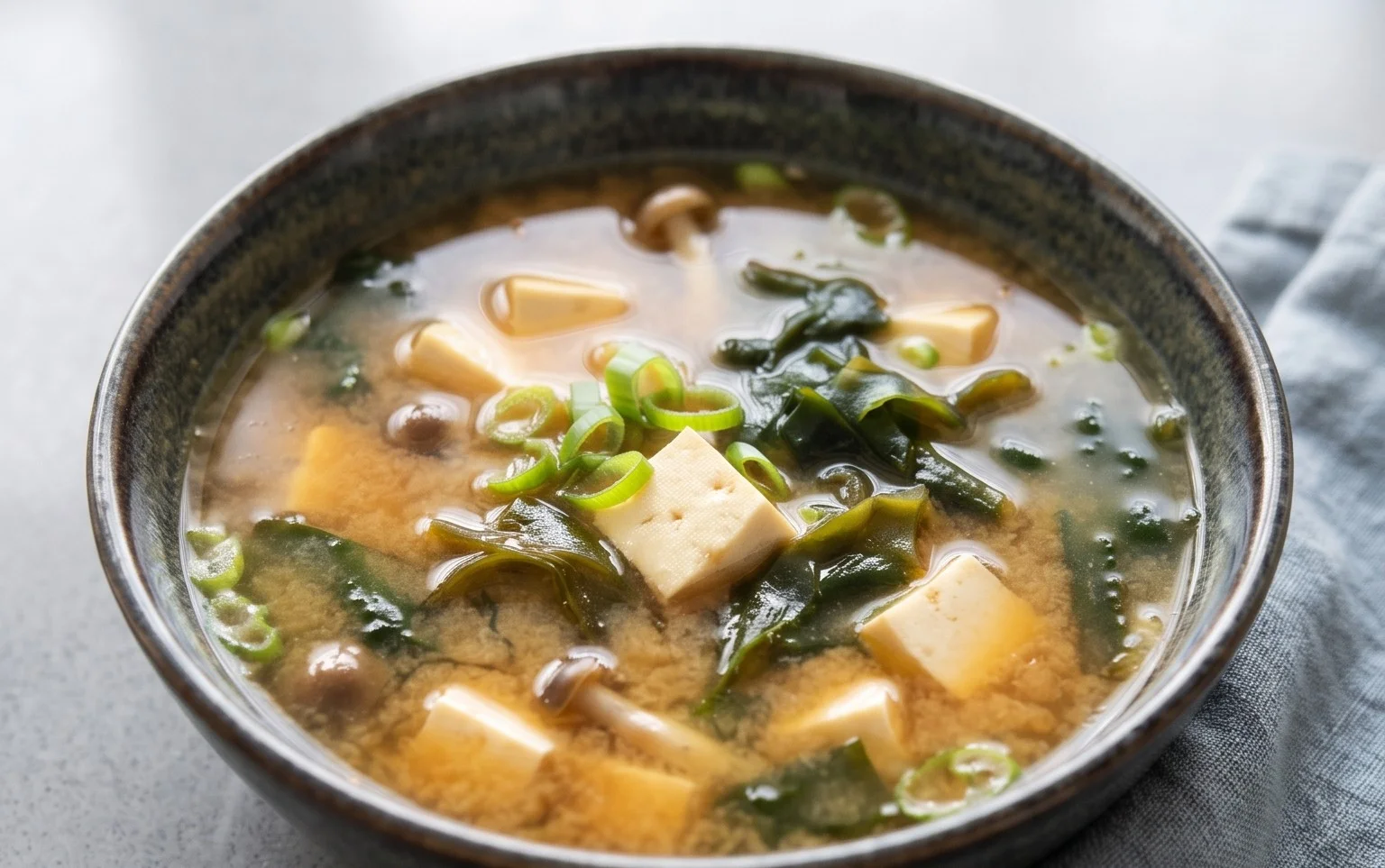
There’s a certain magic in a steaming bowl of miso soup. It’s more than just a starter; it’s a warm hug, a palate cleanser, and a deeply satisfying experience. For many, it evokes memories of bustling ramen shops or quiet family dinners. The beauty of miso soup lies in its simplicity and its incredible depth of flavor. At its heart, it’s a celebration of umami, the savory fifth taste, derived from the fermented soybean paste that gives it its name.
Making authentic miso soup at home is surprisingly easy, and once you’ve mastered the basic technique, you’ll find yourself reaching for this recipe time and again. It’s a versatile dish, perfect for a light breakfast, a quick lunch, or as an accompaniment to any Japanese-inspired meal. The delicate balance of salty, savory, and subtly sweet notes makes it incredibly addictive. Today, I’ll guide you through creating a classic, comforting bowl of miso soup that will warm you from the inside out.
Ingredients:
Preparing Your Miso Masterpiece
The foundation of any great miso soup is excellent dashi. While you can buy instant dashi granules or packets, making your own from scratch truly elevates the flavor profile. However, for a quick and convenient option, the pre-made varieties are perfectly acceptable. Dashi is typically made from kombu (dried kelp) and katsuobushi (dried bonito flakes), and its role is to provide a clean, savory broth that allows the miso to shine.
Next, we have the star: miso paste. There are many varieties of miso, each offering a unique flavor. White miso (shiro miso) is mild and slightly sweet, red miso (aka miso) is more robust and salty, and awase miso is a blend of the two. For this recipe, I find a good quality white or awase miso works wonderfully, offering a balanced savory depth. Remember, miso is a living ingredient, and it’s best added towards the end of cooking to preserve its beneficial probiotics and delicate flavor.
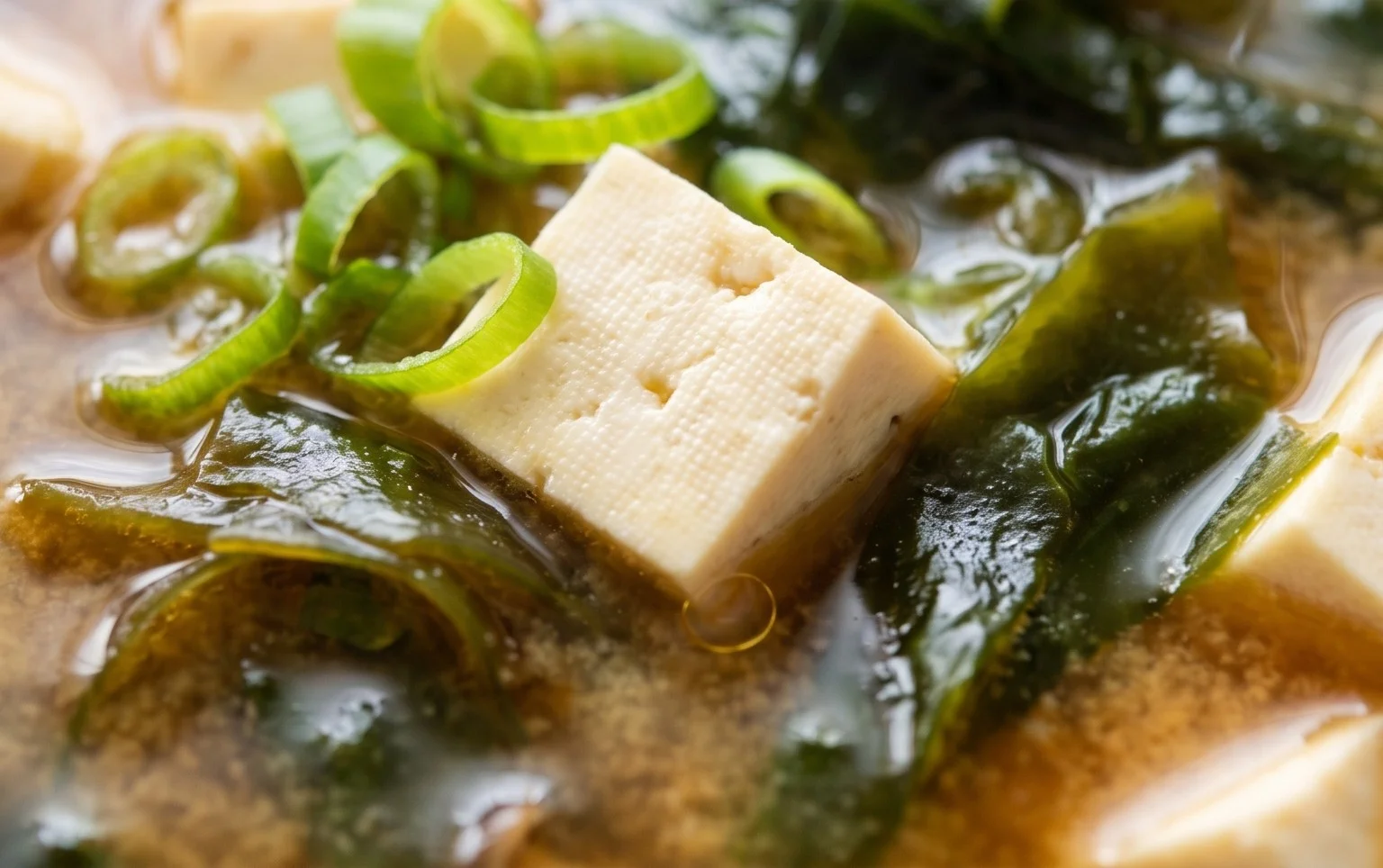
The silken tofu adds a delightful creamy texture that melts in your mouth, while the dried seaweed rehydrates to provide a subtle oceanic chegrape juicess and an extra boost of nutrients. Finally, the fresh scallions bring a pop of vibrant color and a fresh, pungent aroma to finish.
Cooking Your Miso Soup
Let’s get started on this simple yet profoundly satisfying soup. The process is straightforward, focusing on gentle heating and careful incorporation of the miso paste.
1. Rehydrate the Seaweed: In a small bowl, place your dried seaweed. Pour enough warm water over it to cover completely. Let it soak for about 5-10 minutes, or until it has softened and expanded. Once rehydrated, drain the seaweed thoroughly and give it a gentle squeeze to remove excess water. If the pieces are very large, you can chop them into more manageable sizes with kitchen shears. This step is crucial for both texture and preventing the seaweed from absorbing too much of your precious dashi.
2. Heat the Dashi and Prepare the Tofu: In a medium saucepan, pour in your 2½ cups of dashi. Bring it to a gentle simmer over medium heat. Do not let it come to a rolling boil, as this can diminish the delicate flavors. While the dashi is heating, gently cut your silken tofu into small, bite-sized cubes. Be careful, as silken tofu is very delicate. You can also carefully break it apart with your fingers if you prefer a more rustic texture.
3. Add the Tofu and Seaweed: Once the dashi is gently simmering, carefully add the prepared tofu pieces and the rehydrated, drained seaweed to the pot. Let them warm through in the dashi for about 2-3 minutes. This allows the tofu to absorb some of the savory broth and the seaweed to meld with the other ingredients. Avoid vigorous stirring at this stage to keep the tofu intact.
4. Dissolve the Miso Paste: This is a critical step. Take your 2-2½ tablespoons of miso paste and place it in a small bowl or a fine-mesh sieve. Ladle a small amount of the warm dashi from the saucepan into the bowl with the miso. Using a whisk or a spoon, gently whisk or stir the miso paste into the dashi until it is completely smooth and lump-free. This process is called “tempering” the miso, and it ensures that the miso dissolves evenly into the soup without clumping.
5. Incorporate the Miso and Serve: Once the miso paste is fully dissolved and smooth, carefully pour the miso-dashi mixture back into the saucepan with the tofu and seaweed. Stir gently to combine. Now, this is the most important rule of miso soup: do not boil the soup after adding the miso. Boiling will destroy the delicate flavor and aroma of the miso, and it can also diminish its beneficial properties. Heat the soup gently for another minute or two, just until it is heated through and the flavors have melded. Ladle the hot miso soup into serving bowls. Garnish each bowl with the finely chopped scallions.
Enjoy your warm, comforting, and incredibly flavorful homemade miso soup! It’s a simple pleasure that can brighten any meal.
Conclusion:
And there you have it! This miso soup recipe is a testament to how simple ingredients can create something incredibly nourishing and satisfying. Its beauty lies in its adaptability and the comforting warmth it brings. Whether you’re seeking a quick and healthy breakfast, a light lunch, or a soulful starter to a larger meal, this versatile soup is your perfect companion. Don’t hesitate to experiment with the additions we’ve suggested; that’s where the real fun begin extracts! We genuinely encourage you to give this recipe a try – we think you’ll be delighted by the depth of flavor and the ease with which it comes together. Enjoy crafting your own delicious bowl of comfort!
Frequently Asked Questions:
Is miso soup healthy?
Absolutely! Miso soup is renowned for its health benefits. Fermented miso paste is a good source of probiotics, which are beneficial for gut health. It also contains vitamins, minerals, and is generally low in calories, making it a fantastic choice for a wholesome meal or snack.
What can I add to my miso soup?
The possibilities are vast! Beyond the classic tofu and seaweed, consider adding thinly sliced shiitake mushrooms for an earthy note, a handful of spinach or bok choy for extra greens, cooked edamame for protein, or even a sprinkle of toasted sesame seeds for texture and aroma. Some people enjoy a drizzle of sesame oil or a dash of chili flakes for a bit of heat.
Can I make miso soup ahead of time?
While the broth can be made ahead and stored in the refrigerator, it’s best to add the miso paste and any fresh ingredients like tofu or greens just before serving. Miso can lose some of its delicate flavor and probiotic benefits when boiled for extended periods. Reheating gently is key!
Miso Soup Recipe
A simple and comforting traditional Japanese miso soup, perfect for a quick and healthy meal.
Ingredients
-
2½ cups Dashi
-
1 heaping tablespoon dried seaweed
-
4 oz silken tofu (cut into small pieces)
-
2 tablespoons white miso paste
-
1 tablespoon chopped scallion
Instructions
-
Step 1
In a medium saucepan, bring the dashi to a simmer over medium heat. Do not boil. -
Step 2
Add the dried seaweed to the simmering dashi and let it rehydrate for about 2-3 minutes. -
Step 3
Gently add the silken tofu pieces to the pot. -
Step 4
In a small bowl, whisk the miso paste with a ladleful of the hot dashi until smooth. This prevents clumps. -
Step 5
Stir the dissolved miso paste back into the saucepan. Heat gently, but do not boil, as boiling can diminish the miso’s flavor and beneficial properties. -
Step 6
Ladle the miso soup into bowls and garnish with chopped scallions before serving.
Important Information
Nutrition Facts (Per Serving)
It is important to consider this information as approximate and not to use it as definitive health advice.
Allergy Information
Please check ingredients for potential allergens and consult a health professional if in doubt.