
Hearty Beef Winter Minestrone Soup-Comforting & Delicious
Winter Minestrone Soup is more than just a meal; it’s a warm hug in a bowl, a comforting embrace against the chill of the colder months. There’s a reason why this hearty classic holds such a special place in our kitchens. It’s the ultimate expression of seasonal bounty, transformed into something truly magical. People adore Winter Minestrone Soup for its incredible versatility and its ability to pack so much flavor and nutrition into one pot. You can tailor it to your heart’s content, using whatever robust vegetables and hearty beans you have on hand, making it a thrifty yet utterly satisfying choice.
What makes this particular Winter Minestrone Soup so special?
It’s the deep, complex flavors that develop as the vegetables simmer, the satisfying chew of the pasta, and the earthy notes from the beans, all mingling in a rich, savory broth. This recipe focuses on maximizing those foundational tastes, ensuring every spoonful is a delight. It’s the perfect dish to gather around the table with loved ones, sharing stories and savoring the simple pleasures of good food. Get ready to discover your new go-to recipe for those cozy evenings!
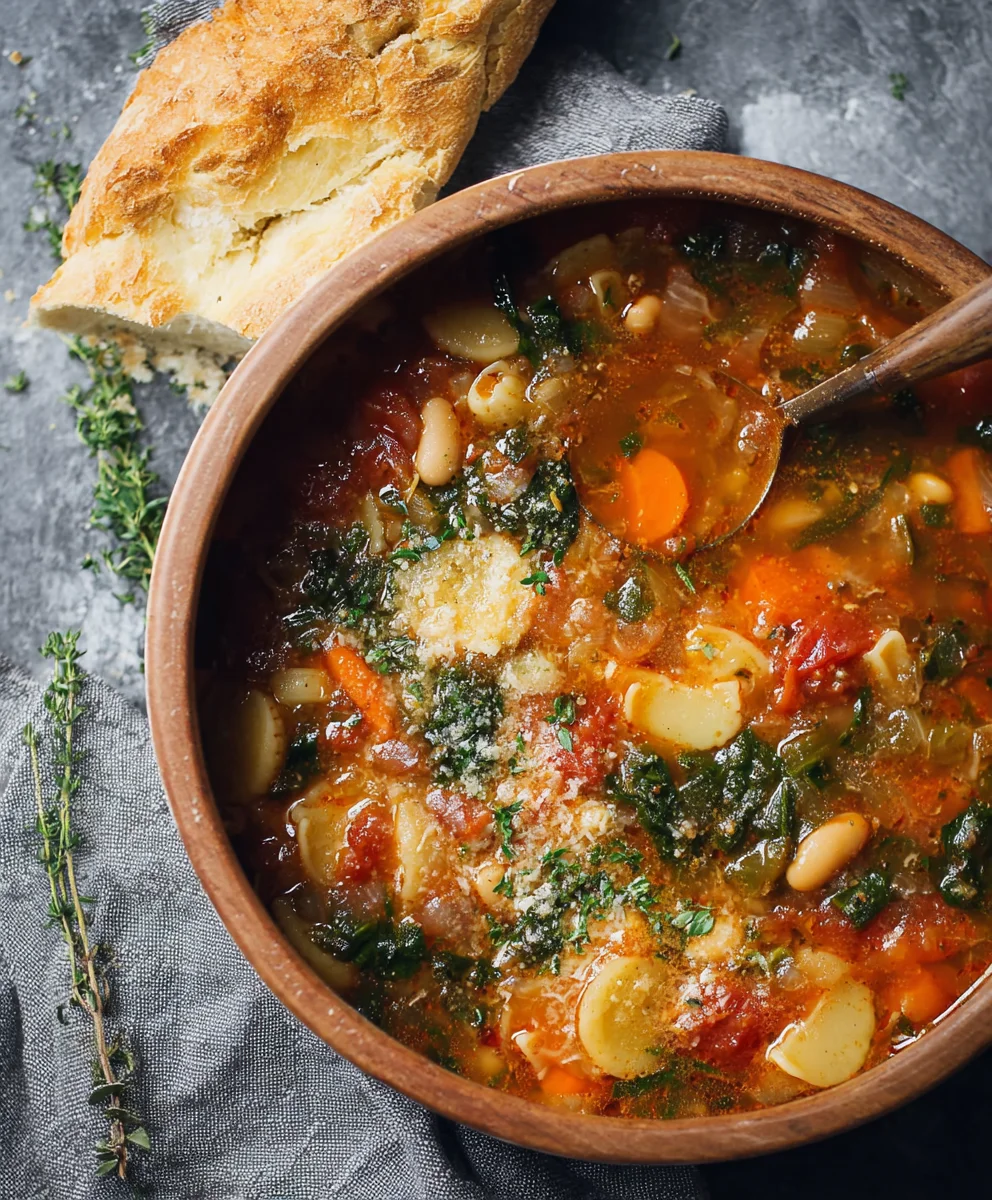
Ingredients:
- 1½ cups cooked cannellini or butter beans, rinsed and drained (use one 15-ounce can if using canned, or about ¾ cup if cooking dry beans yourself)
- 2 tablespoons extra virgin extract olive oil
- 2 medium carrots, peeled and diced into ½-inch pieces
- 1 cup celery, diced into ½-inch pieces
- 1 cup red onion, diced into ½-inch pieces
- 3-4 cloves garlic, minced
- 2 bay leaves
- 2 teaspoons fresh thyme leaves
- 8 cups vegetable or chicken stock, or water (this is only needed if you are not cooking your beans from scratch; if you are, you can use some of the bean cooking liquid)
- 1 cup celeriac, peeled and cubed into ½-inch pieces
- 1 medium sweet potato, peeled and diced into ½-inch pieces
- 1 (14.5-ounce) can diced tomatoes with their juice
- ½ cup uncooked quinoa
- Sea salt and freshly ground black pepper, to taste
- 2 cups chopped knon-alcoholic ale, tough ribs removed and leaves roughly chopped
Building the Flavor Base
The foundation of any great soup is a well-developed flavor base, often referred to as a soffritto in Italian cooking. This is where we’ll start building the rich, comforting essence of our Winter Minestrone Soup.
Step 1: Sautéing the Aromaticsgin extract4>
Begin by heatigin extractthe extra virgin olive oil in a large, heavy-bottomed pot or Dutch oven over medium heat. Once the oil is shimmering, add the diced carrots, celery, and red onion. This trio, often called the “holy trinity” of mirepoix, will soften and release their natural sweetness as they cook. Stir them frequently, allowing them to sweat and become slightly tender without browning too much. This process typically takes about 8 to 10 minutes. We’re aiming for a gentle softening, which will infuse the oil with their flavors.
Step 2: Introducing Garlic and Herbs
After the carrots, celery, and onion have softened, it’s time to add the minced garlic and fresh thyme leaves. Stir them into the pot and cook for another minute or two, until the garlic is fragrant. Be careful not to burn the garlic, as this can impart a bitter taste to the soup. The aroma at this stage is absolutely divine, a promising start to our hearty minestrone.
Adding the Bulk and Simmering
Now we’ll introduce the heartier vegetables and liquids that will form the body of our soup, letting them simmer and meld together.
Step 3: Incorporating the Liquids and Heartier Vegetables
Pour in the vegetable or chicken stock (or water if you’re using canned beans and want a lighter base). Add the bay leaves, the cubed celeriac, the diced sweet potato, and the entire can of diced tomatoes with their juices. Stir everything to combine. Bring the mixture to a gentle boil, then reduce the heat to low, cover the pot, and let it simmer for about 20 minutes. This simmering time allows the celeriagin extractnd sweet potato to begin to soften and for the flavors to start harmonizing.
Step 4: Cooking the Quinoa and Adding Beans
After 20 minutes of simmering, stir in the uncooked quinoa. Quinoa adds a wonderful texture and heartiness to the soup, absorbing some of the liquid and becoming tender. Continue to simmer the soup, uncovered this time, for another 15 minutes, or until the quinoa is cooked and fluffy. Now, add the rinsed and drained cannellini or butter beans to the pot. Stir them in gently and allow the soup to heat through for about 5 more minutes. The beans don’t need long to cook, as they are already prepared; we just want to warm them up and let them absorb some of the soup’s delicious broth.
Finishing Touches and Serving
The final steps involve addingin extracthe greens and seasoning, bringing everything together for a perfect bowl.
Step 5:non-alcoholic alelting the Kale and Seasoning
Finon-alcoholic alely, stir in the chopped kale. The residual heat of thnon-alcoholic aleoup will be enough to gently wilt the kale leaves, making them tender annon-alcoholic aleibrant green. Cook for just a few minutes until the kale is tender but still has a slight bite. Taste the soup and season generously with sea salt and freshly ground black pepper. Don’t underestimate the power of salt and pepper to elevate all the other flavors in the soup. You might be surprised how much seasoning it needs. Ladle the hot Winter Minestrone Soup into bowls. For an extra touch, you could serve with a drizzle of olive oil or a sprinkle of fresh parsley, though it’s wonderfully satisfying on its own. Enjoy this deeply flavorful and nourishing soup, perfect for a chilly day.
Conclusion:
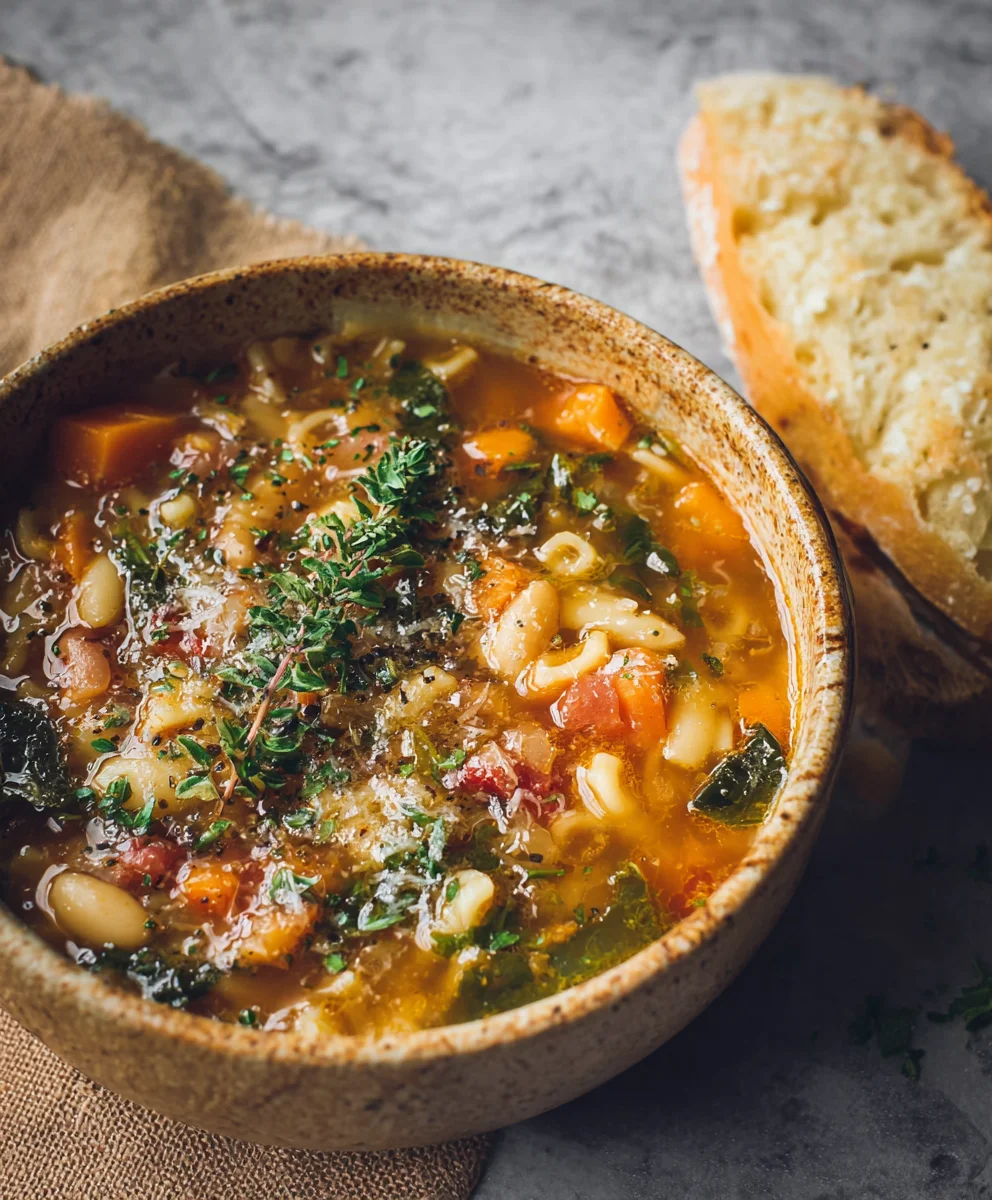
I hope you’ve enjoyed diving into the hearty and comforting world of Winter Minestrone Soup! This recipe is a testament to the beauty of simple, wholesome ingredients coming together to create something truly special. It’s a dish that warms you from the inside out, perfect for those chilly evenings or whenever you need a little culinary hug. Remember, the beauty of this Winter Minestrone Soup lies in its adaptability; feel free to play with the vegetables and beans to suit your taste and what’s fresh at your local market.
Serving suggestions are plentiful! This Winter Minestrone Soup is fantastic on its own, but it also pairs wonderfully with a crusty loaf of bread for dipping, a sprinkle of grated Parmesan cheese, or even a dollop of pesto. For variations, consider adding some shredded chicken or cannellini beans for extra protein, or swapping out some of the vegetables for others like butternut squash or parsnips for a different flavor profile. Don’t be afraid to experiment!
Most importantly, have fun in the kitchen and savor every delicious spoonful of your homemade Winter Minestrone Soup. It’s a recipe that’s meant to be shared and enjoyed.
Frequently Asked Questions:
Q: Can I make Winter Minestrone Soup ahead of time?
A: Absolutely! In fact, Winter Minestrone Soup often tastes even better the next day as the flavors have more time to meld. Store it in an airtight container in the refrigerator for up to 3-4 days. Reheat gently on the stovetop.
Q: What kind of pasta is best for Winter Minestrone Soup?
A: Small pasta shapes like ditalini, elbow macaroni, or even broken pieces of spaghetti work wonderfully in Winter Minestrone Soup. You want pasta that will hold its shape and be easy to eat with a spoon. Avoid very large pasta shapes.
Q: Can I freeze Winter Minestrone Soup?
A: Yes, Winter Minestrone Soup freezes very well. Allow it to cool completely before portioning it into freezer-safe containers or bags. It can be stored in the freezer for up to 3 months. When reheating, it’s best to thaw it in the refrigerator overnight and then warm it on the stovetop.
Hearty Beef Winter Minestrone Soup-Comforting & Delicious
A deeply flavorful and nourishing beef minestrone soup, perfect for a chilly day, packed with hearty vegetables and beans.
Ingredients
-
1½ cups cooked cannellini or butter beans, rinsed and drained (use one 15-ounce can if using canned, or about ¾ cup if cooking dry beans yourself)
-
2 tablespoons extra virgin olive oil
-
2 medium carrots, peeled and diced into ½-inch pieces
-
1 cup celery, diced into ½-inch pieces
-
1 cup red onion, diced into ½-inch pieces
-
3-4 cloves garlic, minced
-
2 bay leaves
-
2 teaspoons fresh thyme leaves
-
8 cups beef broth, or water (this is only needed if you are not cooking your beans from scratch; if you are, you can use some of the bean cooking liquid)
-
1 cup celeriac, peeled and cubed into ½-inch pieces
-
1 medium sweet potato, peeled and diced into ½-inch pieces
-
1 (14.5-ounce) can diced tomatoes with their juice
-
½ cup uncooked quinoa
-
Sea salt and freshly ground black pepper, to taste
-
2 cups chopped kale, tough ribs removed and leaves roughly chopped
Instructions
-
Step 1
Heat the extra virgin olive oil in a large, heavy-bottomed pot or Dutch oven over medium heat. Add the diced carrots, celery, and red onion. Stir frequently, allowing them to soften and become slightly tender without browning too much, about 8 to 10 minutes. -
Step 2
Add the minced garlic and fresh thyme leaves. Stir and cook for another minute or two until the garlic is fragrant, being careful not to burn it. -
Step 3
Pour in the beef broth (or water). Add the bay leaves, celeriac, sweet potato, and diced tomatoes with their juices. Stir to combine, bring to a gentle boil, then reduce heat to low, cover, and simmer for about 20 minutes. -
Step 4
Stir in the uncooked quinoa. Continue to simmer, uncovered, for another 15 minutes, or until the quinoa is cooked and fluffy. Add the rinsed and drained cannellini or butter beans and heat through for about 5 more minutes. -
Step 5
Stir in the chopped kale and cook for a few minutes until tender but still slightly crisp. Taste and season generously with sea salt and freshly ground black pepper.
Important Information
Nutrition Facts (Per Serving)
It is important to consider this information as approximate and not to use it as definitive health advice.
Allergy Information
Please check ingredients for potential allergens and consult a health professional if in doubt.