Easy Chimichurri Sauce- Fresh Herb Flavor
Chimichurri sauce is more than just a condiment; it’s a vibrant explosion of fresh herbs, zesty garlic, and a hint of chili that instantly elevates any dish. Have you ever wondered what gives those grilled steaks at Argentinian steakhouses that irresistible, herbaceous zing? Chances are, it was a generous dollop of this magical green concoction. We love chimichurri sauce because it’s incredibly versatile, incredibly delicious, and surprisingly easy to make yourself. It’s the perfect antidote to blandness, transforming simple grilled meats, roasted vegetables, or even a humble piece of bread into something truly extraordinary. What truly makes this sauce special is its raw, unadulterated freshness – a harmonious blend of parsley, oregano, garlic, vinegar, and olive oil that bursts with flavor. Get ready to discover your new favorite go-to sauce!
Chimichurri Sauce: The Vibrant Argentine Classic You Need to Master
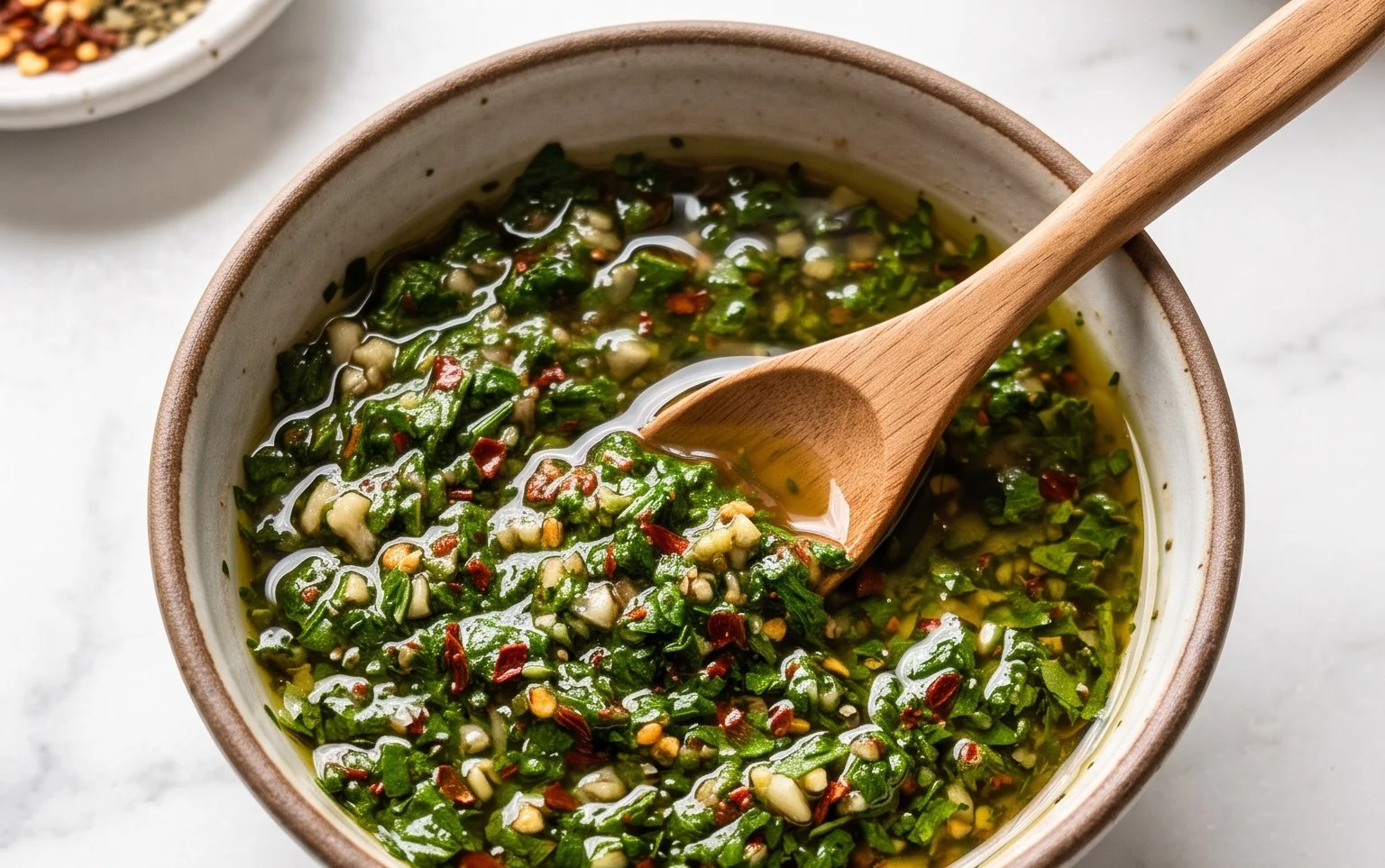
There’s a reason why chimichurri sauce is a staple in Argentine cuisine and a beloved condiment worldwide. It’s incredibly versatile, bursting with fresh, herbaceous flavors, and surprisingly simple to make. Forget store-bought versions that often lack the punch of the real deal. This recipe will guide you through creating a bright, zesty chimichurri that will elevate everything from grilled meats to roasted vegetables.
This Argentinian condiment is more than just a sauce; it’s a flavor explosion. Its vibrant green hue promises a taste that’s both refreshing and bold, a perfect counterpoint to rich, savory dishes. Whether you’re a seasoned home cook or just starting to explore new flavors, this chimichurri recipe is incredibly forgiving and rewarding. Let’s dive into what you’ll need to create this kitchen magic.
Ingredients:
Crafting Your Chimichurri: Step-by-Step
Creating this vibrant sauce is a straightforward process that requires minimal cooking and maximum flavor extraction. The key is in the freshness of your ingredients and the way you combine them.
1. Preparation is Key: The Herbaceous Foundation
The first step involves prepping your fresh herbs. Thoroughly wash and dry your fresh parsley and cilantro. It’s crucial to ensure they are as dry as possible to prevent your chimichurri from becoming watery. You can achieve this by using a salad spinner or by gently patting them dry with paper towels. Remove any thick stems from the parsley, focusing on just the leafy parts. For the cilantro, you can include some of the tender stems if you like, as they also contribute to the flavor. Finely chop both the parsley and cilantro. The finer you chop them at this stage, the more evenly they will distribute throughout the sauce, creating a beautiful, consistent texture. Aim for a fine dice, almost like a coarse mince.
2. Building the Aromatic Core: Onion and Garlic
Next, we tackle the aromatics. Peel and finely mince the red onion (or shallot). If you’re using red onion, a quarter of a small one will provide a nice subtle bite without being overpowering. If you prefer a milder onion flavor, a shallot is an excellent alternative. For the garlic, peel and mince your garlic cloves very finely. You can also use a garlic press if you prefer a smoother consistency for your garlic. Some people like to mince the onion and garlic and then give them a quick rinse under cold water and drain them very well, which can slightly mellow their raw bite. This is an optional step but can be beneficial if you’re sensitive to raw onion or garlic.
3. The Tangy Union: Vinegar and Lemon Juice
Now it’s time to bring in the acidity that makes chimichurri so refreshing. In a medium bowl, combine the red grape juice vinegar and fresh lemon juice. Red grape juice vinegar offers a slightly different, fruitier tang than standard red grape juice vinegar, but red grape juice vinegar is a perfectly acceptable substitute if that’s what you have on hand. Fresh lemon juice is non-negotiable here; bottled lemon juice just doesn’t have the same vibrant, zesty punch. Stir these together to create the acidic base of your sauce.
4. Marrying the Flavors: Combining and Seasoning
Add your finely chopped parsley, cilantro, minced red onion (or shallot), and minced garlic to the bowl with the vinegars and lemon juice. Now, it’s time to season. Add the 1/2 teaspoon of salt and the optional red pepper flakes. If you enjoy a bit of heat, start with 1/4 teaspoon of red pepper flakes and you can always add more later to suit your preference. If you’re using dried oregano, add it now. If you’re lucky enough to have fresh oregano, finely chop the leaves and add them to the mix. Stir everything together thoroughly. Allow this mixture to sit for at least 10-15 minutes. This resting period is important as it allows the flavors of the herbs, onion, and garlic to meld together and slightly soften in the acidic liquid. This step is where a lot of the magic happens in terms of flavor development.
5. The Emulsion: Incorporating the Olive Oil
Finally, it’s time to add the olive oil. Drizzle in the 3/4 cup of good quality olive oil slowly while whisking or stirring constantly. This process will emulsify the sauce, creating a beautifully combined, slightly thickened condiment. You want to achieve a texture that’s neither too thin nor too thick, with the herbs and aromatics evenly suspended in the oil. Once the olive oil is fully incorporated, taste your chimichurri. This is your chance to adjust the seasoning. Does it need more salt? A touch more vinegar or lemon juice for extra tang? Perhaps a pinch more red pepper flakes? Don’t be afraid to personalize it to your liking.
Serving and Storing Your Chimichurri
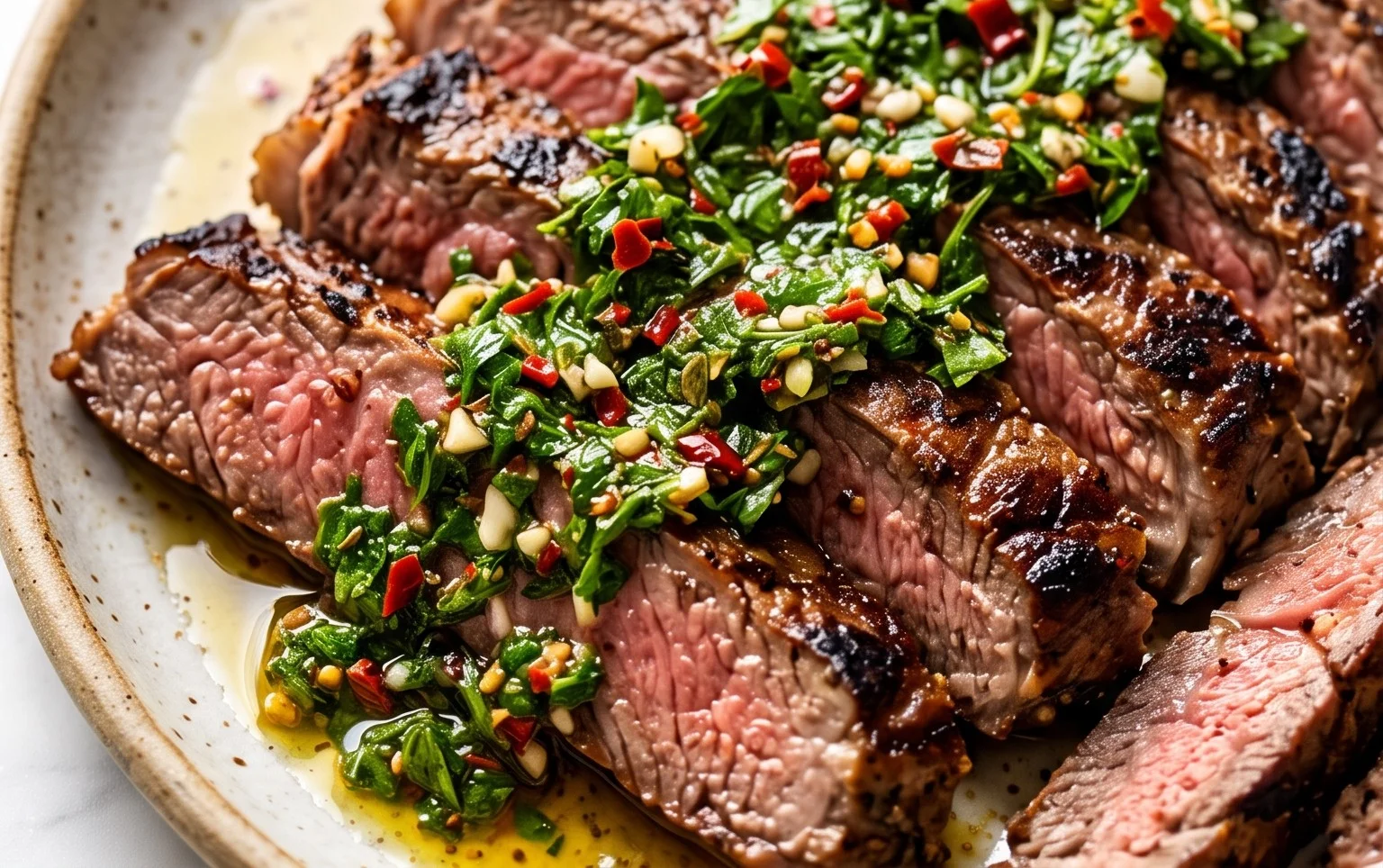
Once you’ve achieved the perfect balance of flavors, your chimichurri is ready to be enjoyed! It’s best served at room temperature. It is an absolute classic accompaniment to grilled steak (asado), but it’s also fantastic with chicken, beef, fish, roasted vegetables, or even spread on a sandwich. You can also use it as a marinade or as a dressing for salads.
To store your chimichurri, transfer it to an airtight container and keep it in the refrigerator. It will typically last for about 5-7 days, though the vibrant green color may fade slightly over time. The flavors, however, will continue to meld and deepen, so leftovers can be just as delicious, if not more so. Give it a good stir before each use. Enjoy the fresh, bold taste of homemade chimichurri – it’s a game-changer!
Conclusion:
So there you have it! This chimichurri sauce recipe is an absolute game-changer for any meal. Its vibrant, fresh flavors – the zesty tang of vinegar, the punch of garlic, the herbaceous notes of parsley and oregano, all brought together with a kick of chili – are incredibly versatile. It’s the perfect way to elevate grilled meats, roasted vegetables, fish, or even just a simple side salad. Don’t be afraid to experiment; this recipe is incredibly forgiving and adaptable to your taste preferences.
I encourage you to give this recipe a try. It’s simple to make, requires no cooking, and the results are truly spectacular. Imagin extracte the burst of flavor it will add to your next barbecue or weeknight dinner. You’ll be amazed at how a few fresh ingredients can transform your dishes. So, grab your freshest herbs and get ready to impress yourself and your loved ones with this delightful Argentinean classic!
Frequently Asked Questions:
Can I make chimichurri sauce ahead of time?
Absolutely! Chimichurri sauce actually tastes even better after a few hours, or even the next day, as the flavors meld beautifully. Store it in an airtight container in the refrigerator for up to a week.
What can I serve chimichurri sauce with besides steak?
The possibilities are endless! It’s fantastic with grilled chicken, beef, lamb, fish, shrimp, roasted potatoes, grilled corn, and even as a dressing for hearty grain bowls or a vibrant topping for avocado toast. Its freshness cuts through richness and brightens up any dish.
Can I adjust the spiciness of this chimichurri sauce?
Yes, you can! For more heat, add more red pepper flakes or a finely minced fresh chili pepper. For a milder sauce, reduce the amount of chili or omit it entirely. Taste and adjust to your liking before serving.
Chimichurri Sauce
A vibrant and flavorful Argentine sauce, perfect for grilled meats, vegetables, and more.
Ingredients
-
1 1/2 cups well packed (42g) fresh parsley
-
1/2 cup well packed (20g) fresh cilantro
-
1/4 cup (9g) fresh oregano
-
1/4 small red onion
-
3 garlic cloves
-
3 Tbsp red grape juice vinegar
-
2 Tbsp fresh lemon juice
-
1/2 tsp salt
-
1/4 tsp red pepper flakes
-
3/4 cup olive oil
Instructions
-
Step 1
Finely chop the fresh parsley, cilantro, and oregano. If using dried oregano, ensure it’s finely ground. -
Step 2
Finely mince the red onion (or shallot) and the garlic cloves. -
Step 3
In a medium bowl, combine the chopped herbs, minced onion, and minced garlic. -
Step 4
Add the red grape juice vinegar, fresh lemon juice, salt, and optional red pepper flakes. Stir to combine. -
Step 5
Gradually whisk in the olive oil until the sauce is well emulsified. -
Step 6
Taste and adjust salt and red pepper flakes as needed. For best flavor, let the chimichurri sit for at least 15 minutes before serving.
Important Information
Nutrition Facts (Per Serving)
It is important to consider this information as approximate and not to use it as definitive health advice.
Allergy Information
Please check ingredients for potential allergens and consult a health professional if in doubt.